Voigtlander 28mm f2 APO-Lanthar review
-
-
Written by Thomas
Quality
Longitudinal Chromatic Aberration and focus shift
Lenses with focal ratios of f2.8 or larger are often prone to longitudinal color aberrations (loCA, a.k.a. “axial color” or “bokeh CA”). These show up as magenta coloration in the foreground and greenish hues in the background and are not easily corrected in post-processing. Although the new Voigtländer is an apochromatic design it shows visibly more loCA than its 35mm sibling (see here):
Voigtländer 28mm f2 APO-Lanthar loCA, 50% crops from 180MP image
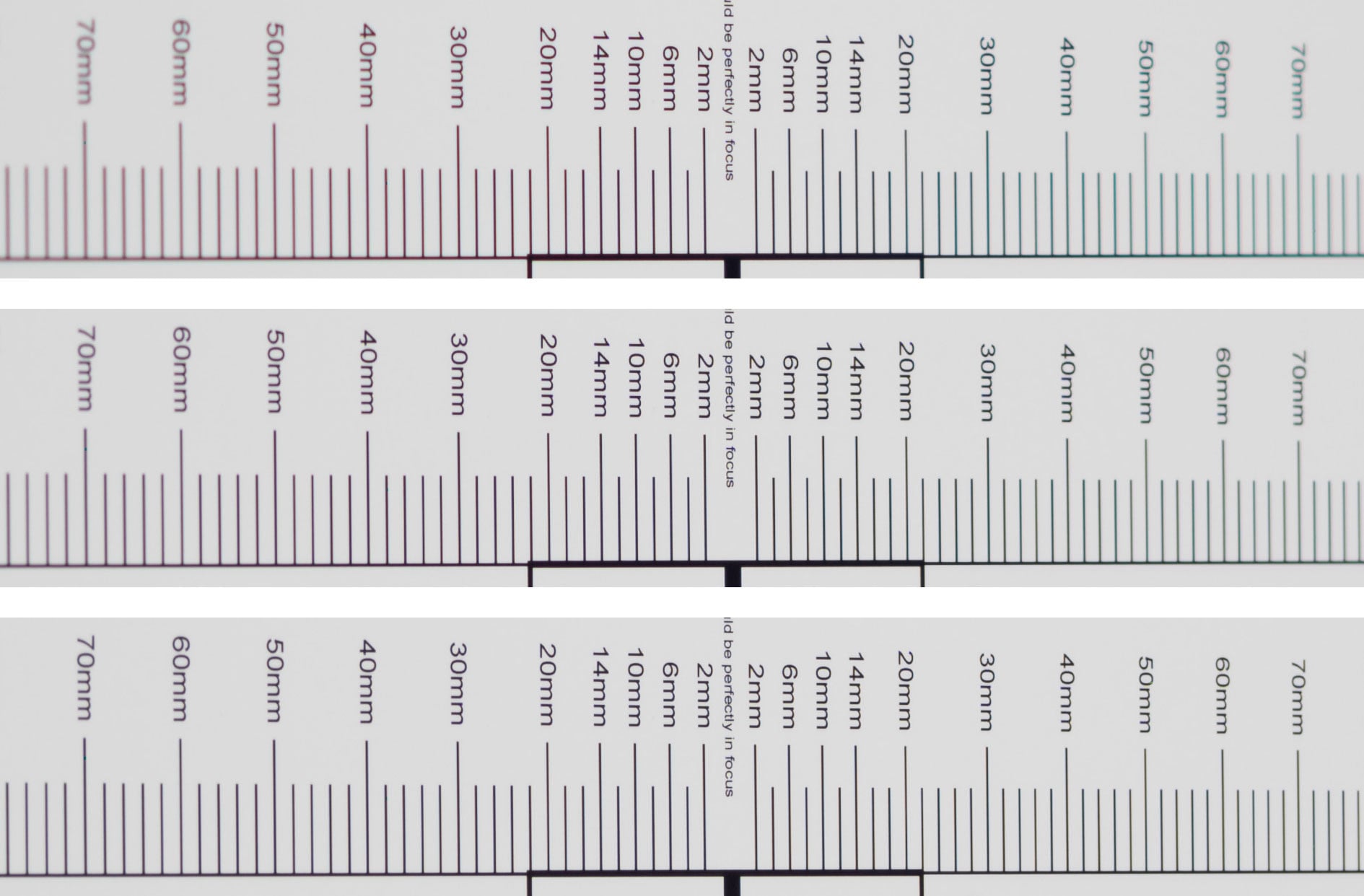
100% crops, from top to bottom: f2.0, f2.8, f4.0; left = foreground, right = background; Click image for 100% crops
When stopping down there’s no discernible focus shift – both background and foreground sharpen up simultaneously.
The following real life shot under harsh contra-light conditions shows that the Voigtländer produces a bit of green coloration in the background and some spill-over from the extra-bright background into the subject. But I detected no purple fringing around high-contrast edges in the focus planes:
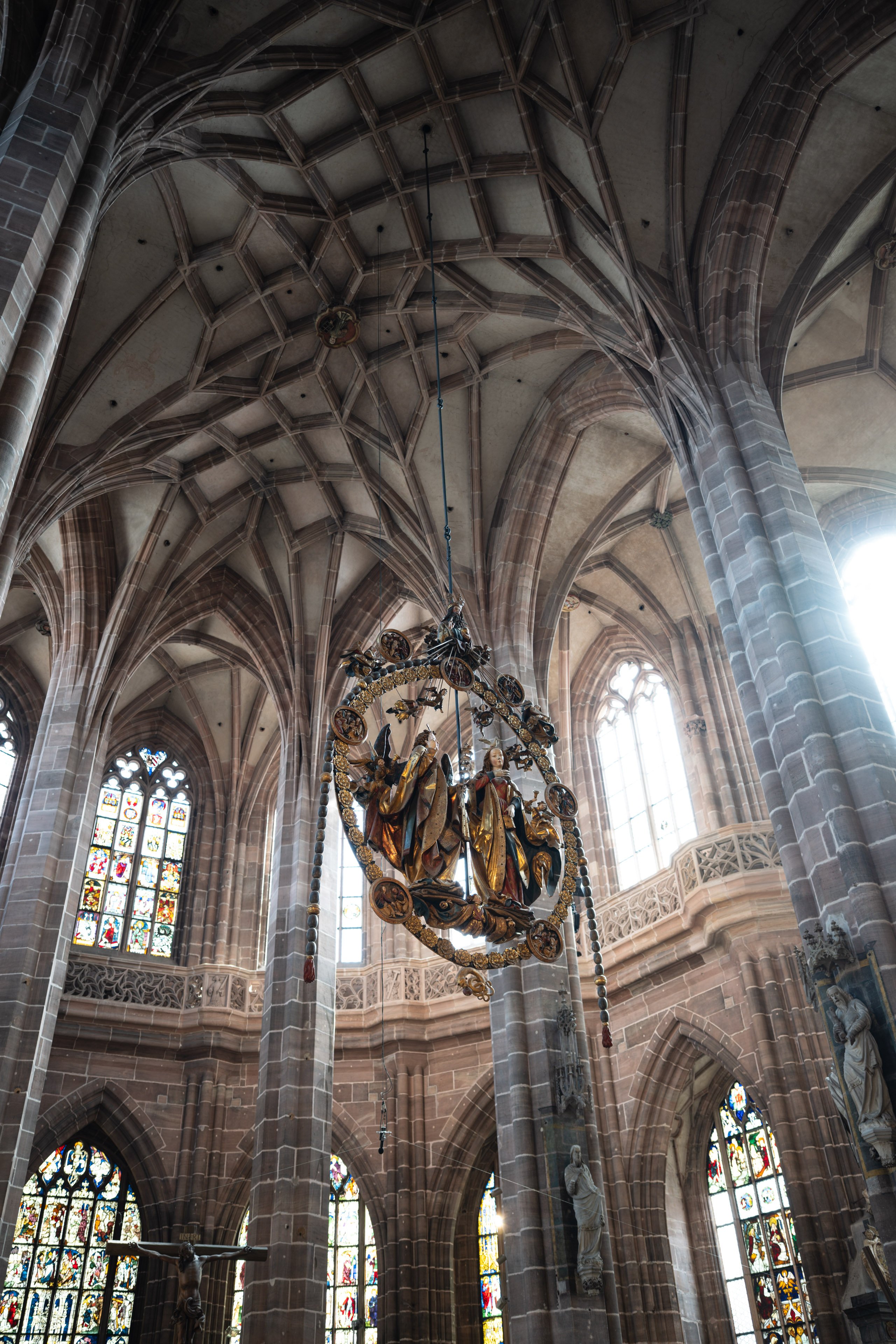
Above: Voigtländer 28mm f2 APO-Lanthar at f2.0; 100% crop; click image to access 4k version, here for large original
Sharpness and contrast
Let’s have a look at the theoretical performance of the Voigtländer 28mm f2 APO-Lanthar and compare it to other APO-Lanthar lenses:
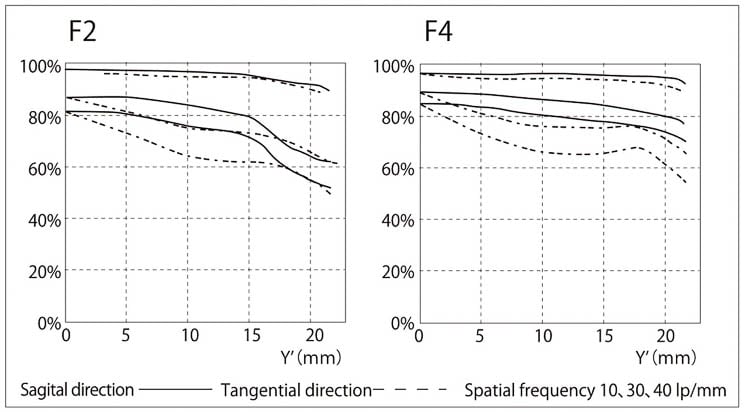
Above: Voigtländer 28mm f2 APO-Lanthar at f2.0 and f4.0
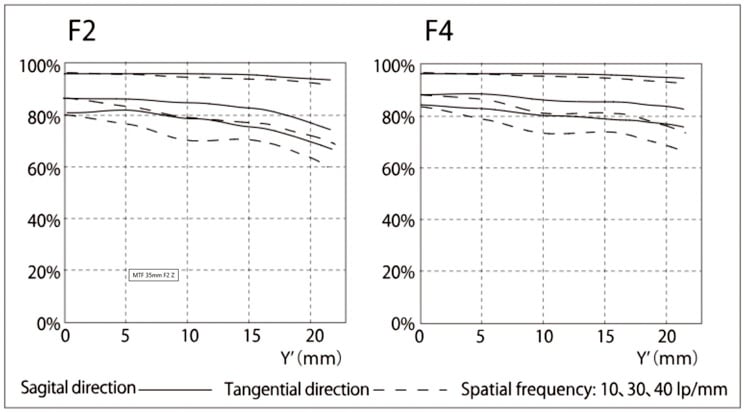
Above: Voigtländer 35mm f2 APO-Lanthar at f2.0 and f4.0
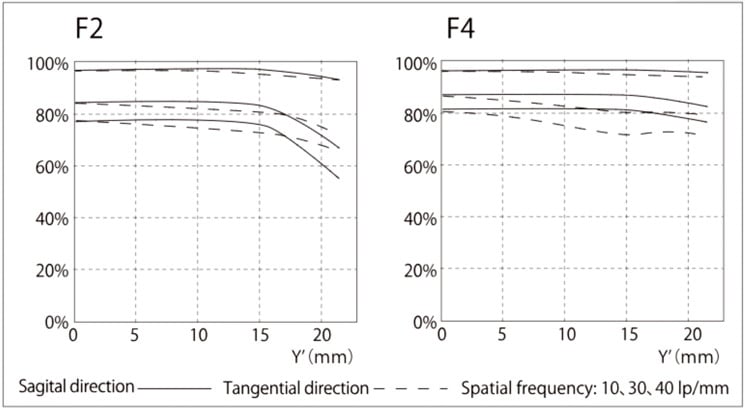
Above: Voigtländer 50mm f2 APO-Lanthar at f2.0 and f4.0
Voigtländer shows the contrast-curves at 10 line-pairs/mm (top), 30 lp/mm (middle), and 40 lp/mm (bottom). Higher values are better (more contrast) and the closer the dotted and solid lines are together the less contrast dependents on the orientation of the test-pattern (less astigmatism). The x-axis displays the distance from the optical axis (=center of the sensor) in mm. I’ll show you the real-life performance at 4 mm (“near center”), 13 mm (APS-C/DX-corner), and 20 mm (FF/FX-corner).
At 10 lp/mm all three lenses look pretty similar on paper and you should not find flaws with overall contrast. But when looking at finer details the new 28mm Voigtländer shows a marked decline in resolution outside the APS-C/DX image-circle. It also has quite some astigmatism.
Let’s see how this theoretical performance translates into real life results in the sharpness test based on Siemens-stars shot on a 45MP Nikon Z8 set to 16 image pixel shift shooting. The 16 individual images for each shot were merged in NX Studio 1.9.1 into a 180MP RAW file and further processed in Lightroom 14.5/CRAW 17.5 to Adobe Color profile with the lens profile compensating CA. Noise-reduction was set to 0, sharpening to 50/1/36/10, with no extra tone, color, or saturation adjustment. White-balance was adjusted to a neutral white and I did some exposure compensation to make the brightness of all crops match. So you will not see light fall-off in the corners. I also focused separately for the center, the DX-corner, and FX-corner which eliminates any effect field-curvature might have. If you want to know more about the advantages and perils of pixel shift shooting head over to page 2 of my Tamron 28-75mm f2.8 Di III G2 Nikon Z review.
The following 50% crops show the Voigtländer 28mm f2 APO-Lanthar from f2.0 down to f8. For comparison I used the Voigtländer 35mm f2 APO-Lanthar, Voigtländer 50mm f2 APO-Lanthar, and Sigma 28mm f1.4 Art (shot on a Nikon Z7 + FTZ-adapter). For good measure I also added the Tamron 28-75mm f2.8 Di III G2 at 28mm, f2.8 to show how close a very good zoom lens can get to a very good prime.
Voigtländer 28mm f2 APO-Lanthar compared; 50% crops from 180MP image near center, APS-C/DX-corner, FF/FX-corner
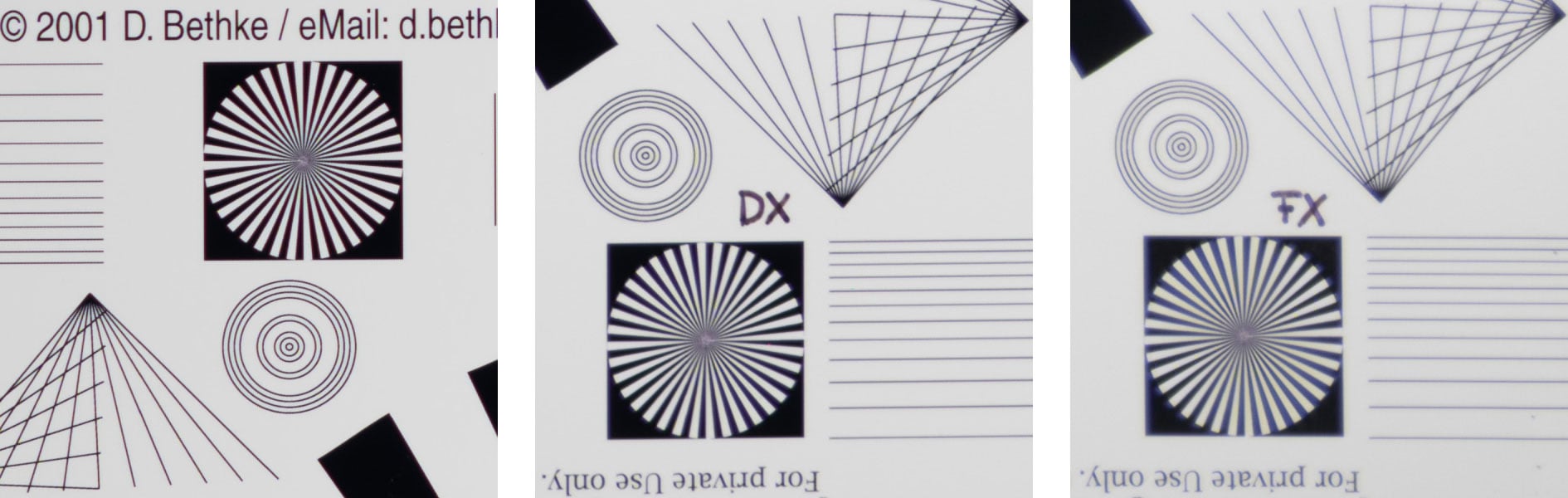
Above: Voigtländer 28mm f2 APO-Lanthar at f2.0; click image for full resolution 100% crops
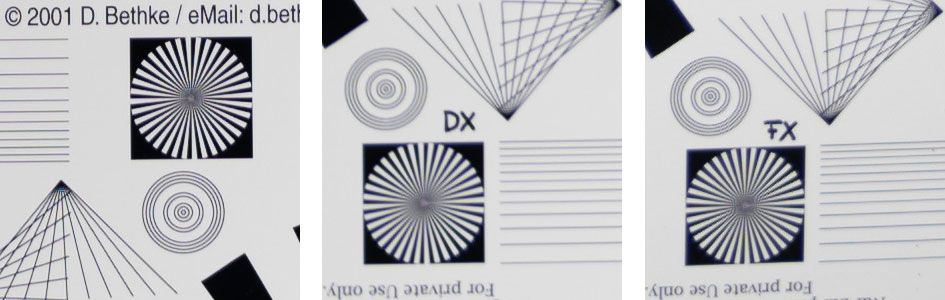
Above: Sigma 28mm f1.4 Art shot on Nikon Z7 + FTZ-adapter at f2.0; 100% from 45MP image
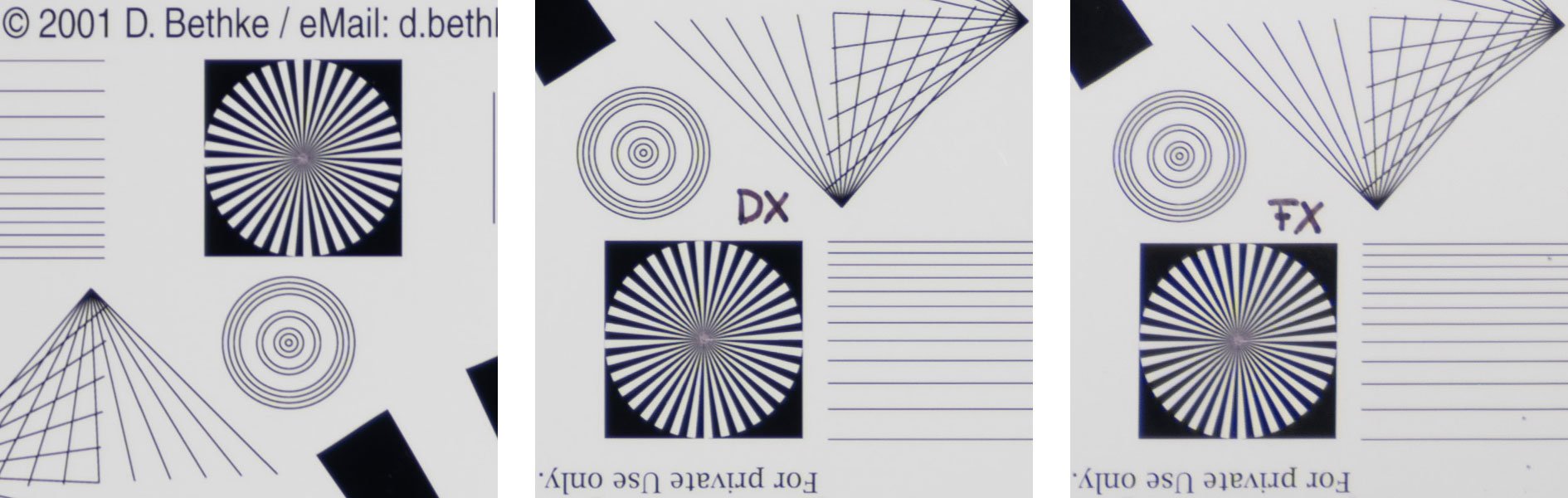
Above: Voigtländer 35mm f2 APO-Lanthar at f2.0; click image for full resolution 100% crops
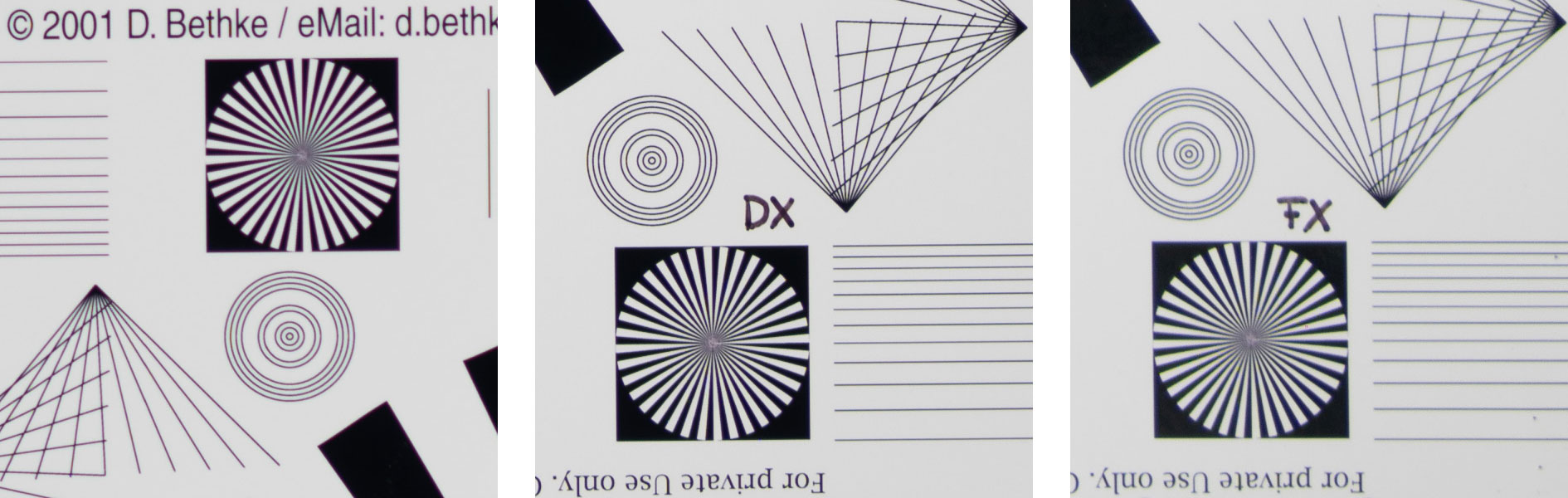
Above: Voigtländer 50mm f2 APO-Lanthar at f2.0; click image for full resolution 100% crops
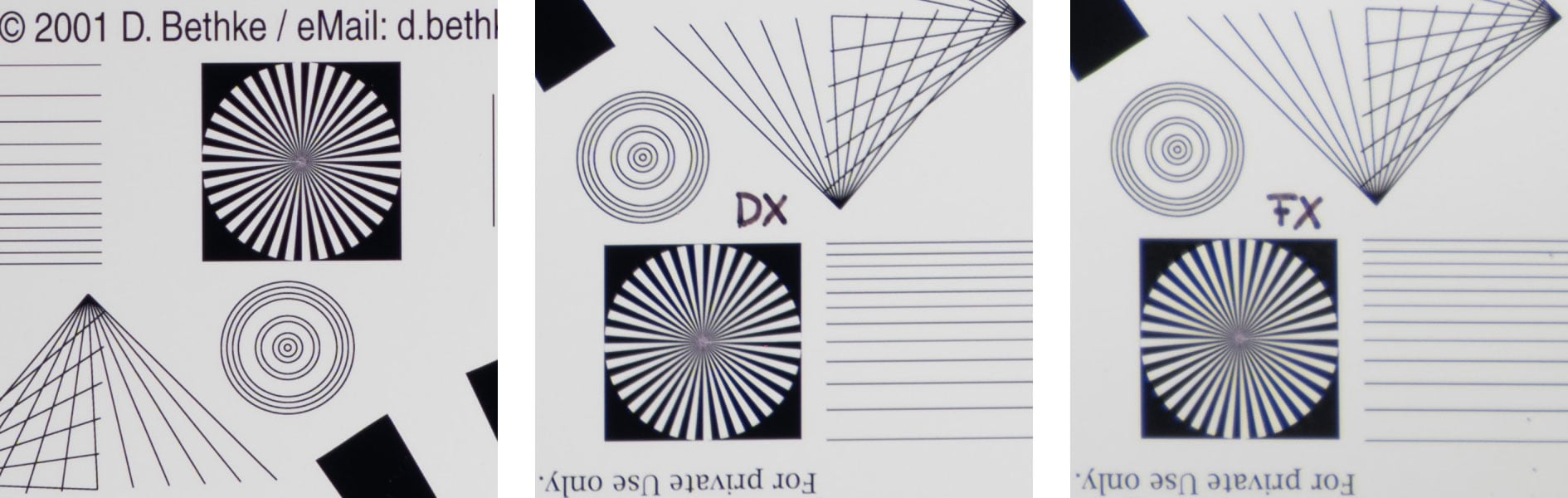
Above: Voigtländer 28mm f2 APO-Lanthar at f2.8; click image for full resolution 100% crops
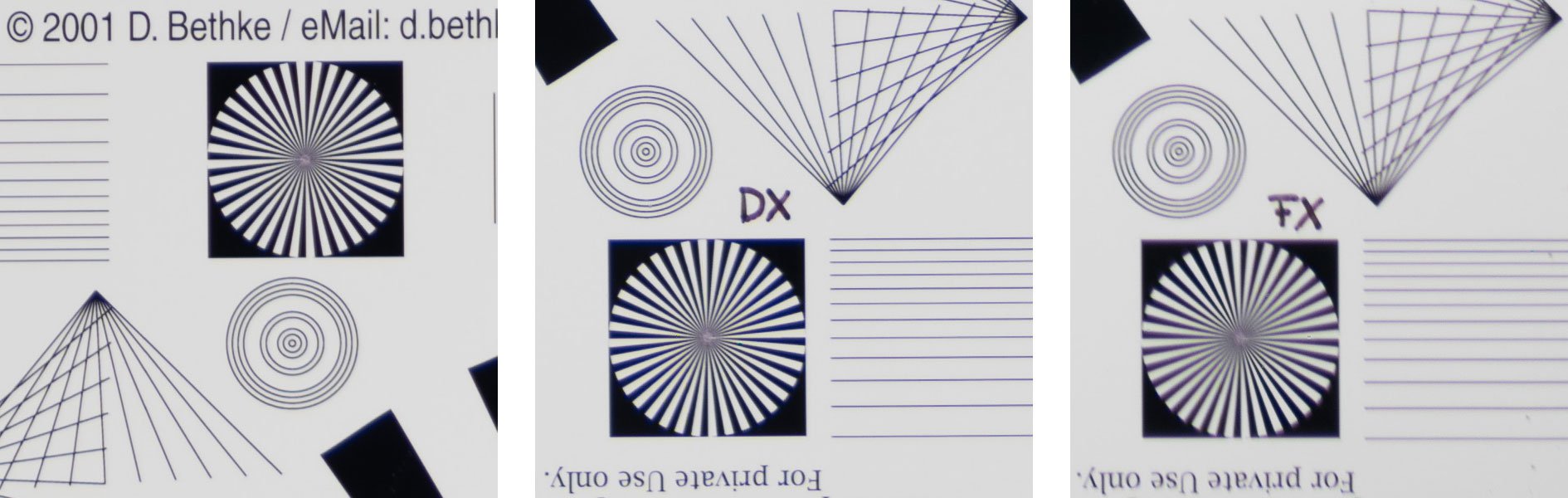
Above: Tamron 28-75mm f2.8 Di III G2 at 28mm, f2.8; click image for full resolution 100% crops
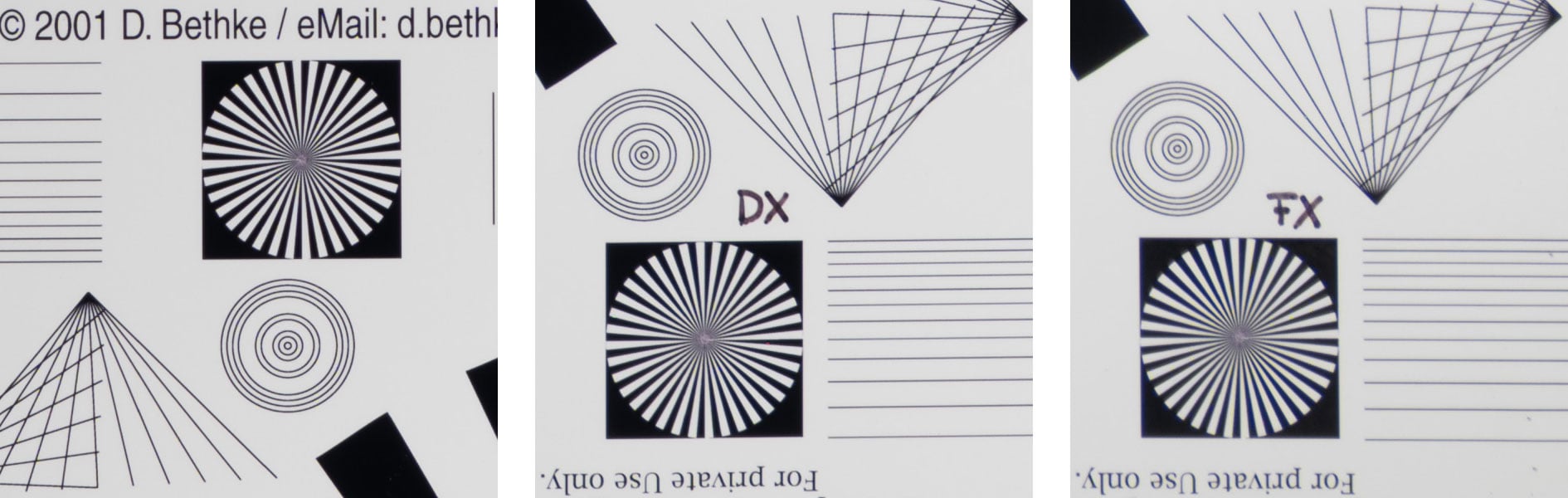
Above: Voigtländer 28mm f2 APO-Lanthar at f4.0; click image for full resolution 100% crops
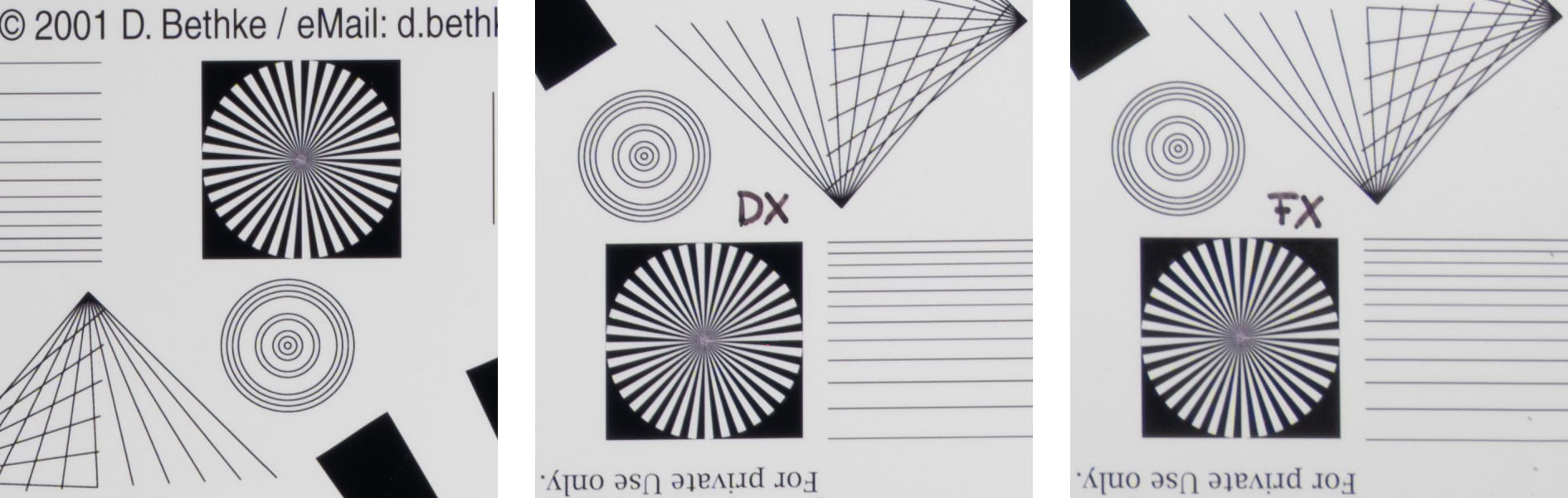
Above: Voigtländer 28mm f2 APO-Lanthar at f5.6; click image for full resolution 100% crops, also available at f8.0
Wide open the new Voigtländer 28mm f2 APO-Lanthar produces excellent sharpness near the center (best of the three APO-Lanthar lenses), very good sharpness in the APS-C/DX image circle (2nd place after the 50mm Voigtländer), and slightly soft FF/FX corners (3rd place). Stopping the new Voigtländer down to f4.0 brings the FX-corner to very good sharpness. In comparison the Sigma 28mm f1.4 Art shows its age: The optical design from 2018 (for DSLRs) is still very sharp in the center (once stopped down to f2.0) but has the weakest DX- and FX-corner. And the Tamron 28-75mm f2.8 Di III G2 puts up a pretty decent performance, not too far behind the Voigtländer 28mm f2 APO-Lanthar.
Performance at long distances
The Siemens-star test-targets are shot at a distance of 45x focal length (i.e. at around 1.3m for 28mm focal length). But performance of lenses also depends on the shooting distance. Therefore, I shot another series of a city around 1 km away on a Nikon Z8 set to 16 image pixel shift shooting. The 16 individual images for each shot were merged in NX Studio 1.9.1 into a 180MP RAW file and further processed in Lightroom 14.5/CRAW 17.5 to Adobe Color profile with the the lens profile compensating CAs and I manually corrected vignetting in Lightroom with +66/0 at f2.0 and +33/0 for all smaller apertures as there was no lens profile available from Adobe at the time of writing. Noise-reduction was set to 0, sharpening to 50/1/36/10, with no extra tone, color, or saturation adjustment. I used manual focus at the largest aperture and did not change focus for other apertures. All shots were made from a heavy tripod with image stabilization switched off at ISO 64. As usual I have selected the diagonal that provided the better corner results as the lens was slightly decentered.
The following image show the complete scene wide open plus 50% crops from near center, APS-C/DX-corner, and FF/FX-corner. All crops in a row are from the same image so there is no compensation for field curvature. You can access the large 180MP original at f2.0 plus 100% crops, but the files are for personal evaluation only and cannot be used in another publication or website without permission.
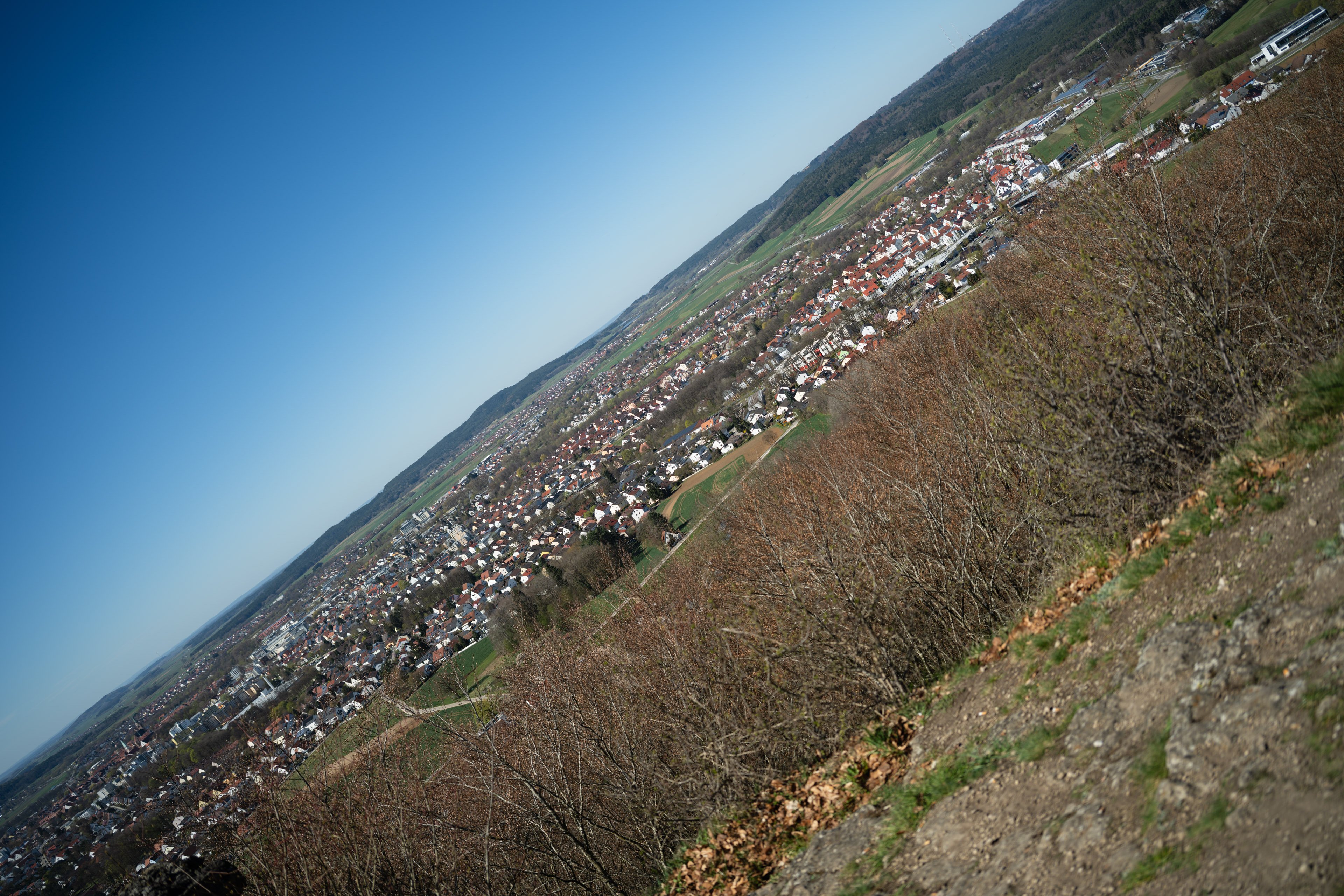
Above: Voigtländer 28mm f2 APO-Lanthar at f2.0; click image for 4k version, here for large original
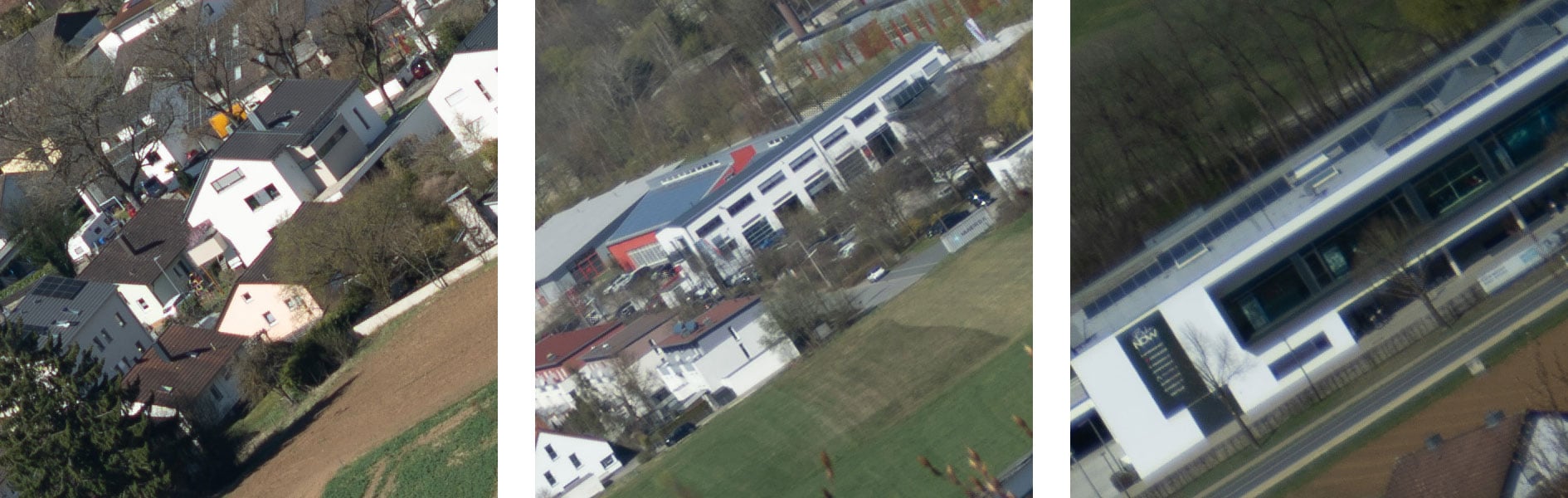
Above: Voigtländer 28mm f2 APO-Lanthar at f2.0, 50% crops; click image for full resolution 100% crops
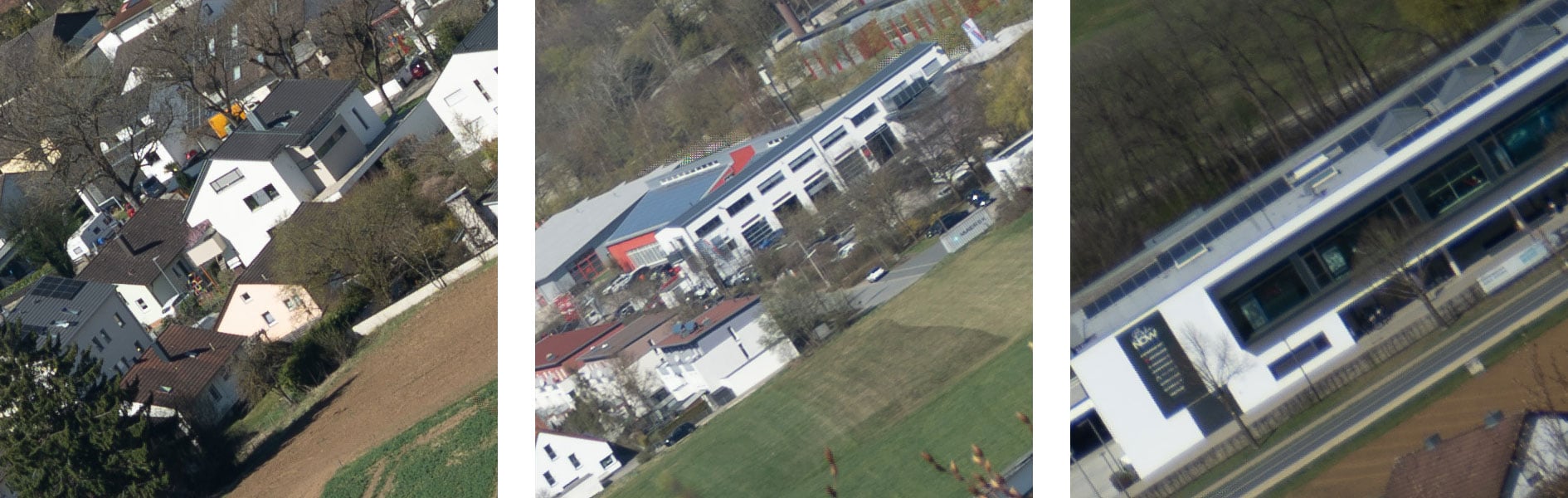
Above: Voigtländer 28mm f2 APO-Lanthar at f2.8, 50% crops; click image for full resolution 100% crops
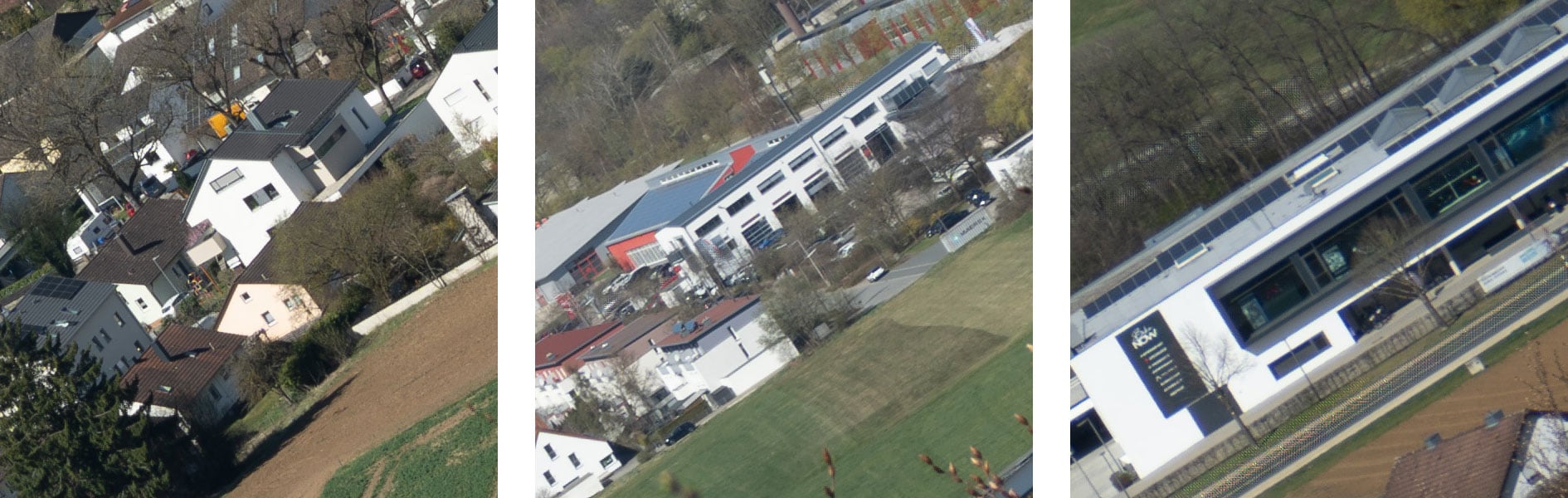
Above: Voigtländer 28mm f2 APO-Lanthar at f4.0, 50% crops; click image for full resolution 100% crops
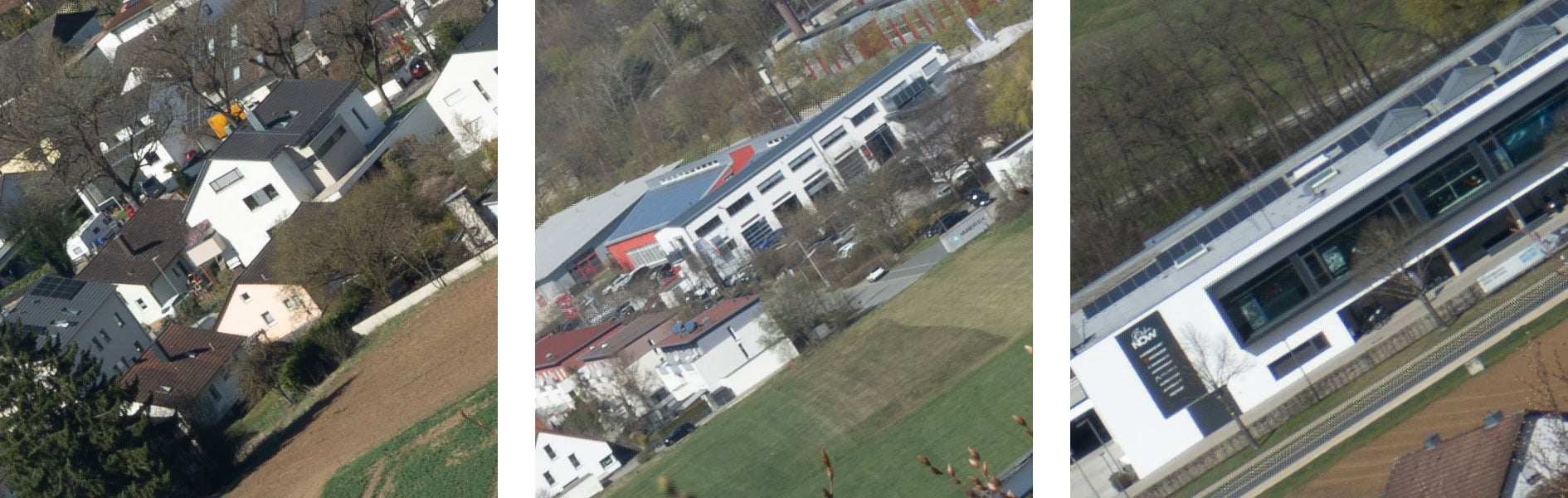
Above: Voigtländer 28mm f2 APO-Lanthar at f5.6, 50% crops; click image for full resolution 100% crops, also available at f8.0
Again the Voigtländer 28mm f2 APO-Lanthar produces a very high level of detail across the full frame already wide open with a slightly soft FF/FX-corner up until f4.0. And both the center and the APS-C/DX-corner profit a little bit from stopping down to f2.8.
Vignetting and distortions
To make it easier to see light fall-off in the corners of a full-frame sensor I’ve arranged a series of shots with the Voigtländer 28mm f2 APO-Lanthar at different apertures. All images were developed from RAW to the same brightness in the center. As the integrated lens profile of the new Voigtländer only corrects for lateral color aberrations JPGs straight out of camera are not influenced by the setting for vignette control (or auto distortion control) in camera. And as Adobe did not provide a lens profile at the time of writing I had to correct those effects manually. But I’m sure Adobe will eventually supply a lens profile as it has done so for the 35mm and 50mm Voigtländer APO-Lanthar. For the comparison below I manually corrected vignetting in Lightroom with +66/0 at f2.0 and +33/0 for all smaller apertures:
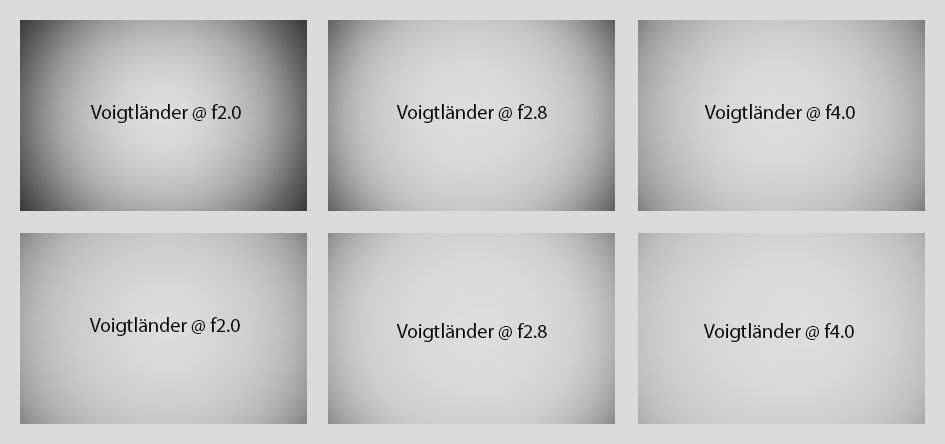
Above from top to bottom: Voigtländer 28mm f2 APO-Lanthar w/o lens profile, with manual correction
The sample images above show that without lens profile vignetting of the Voigtländer is very strong wide open (around -3 EV) and still very visible at f2.8. My manual correction lifts the extreme corners by about 1.4 EV at f2.0 and about 0.7 EV at f2.8.
The following composite images shows the upper half of a large screen TV set displaying grid lines for the full frame and cropped frame. Distortions are of a very mild but wavy pin-cushion type. I used manual distortion compensation of -1 which straightens the lines out a bit but did not get rid of the waviness. I hope Adobe’s lens profile will do this better.
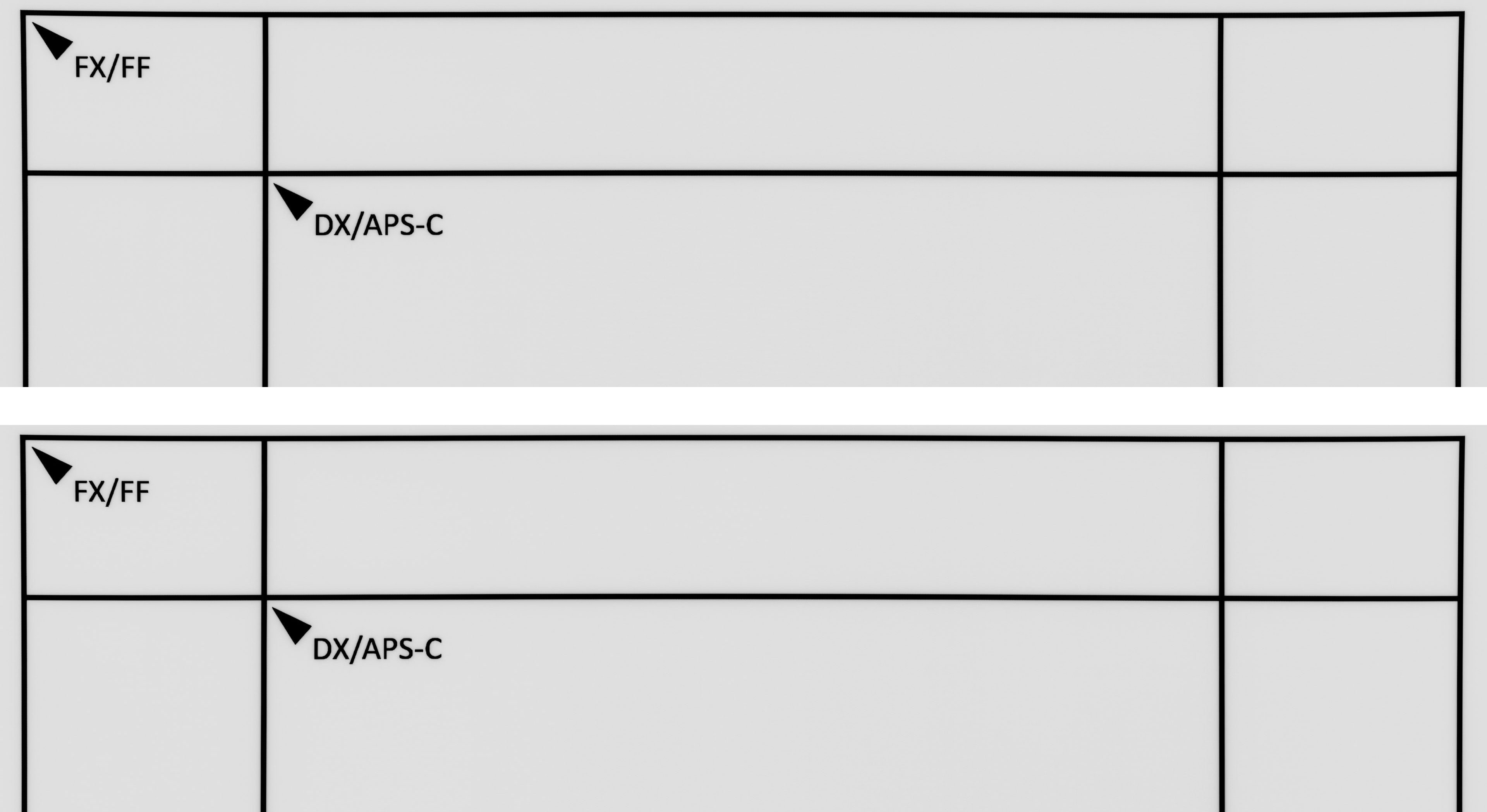
Voigtländer 28mm f2 APO-Lanthar: without distortion compensation (top), with manual distortion compensation of -1 (bottom)
Rendering of point-light sources at night-shots
Night-shots pose a different challenge for lenses as the contrast is even higher than under bright sun and point-light sources can reveal some weaknesses such as coma, haloing and colour-aberrations that do not show up as prominently in other test-shots. The 100% crops below the main image show the effect of coma in the FF/FX-corner of the new Voigtländer at various apertures compared to the 35mm APO-Lanthar:
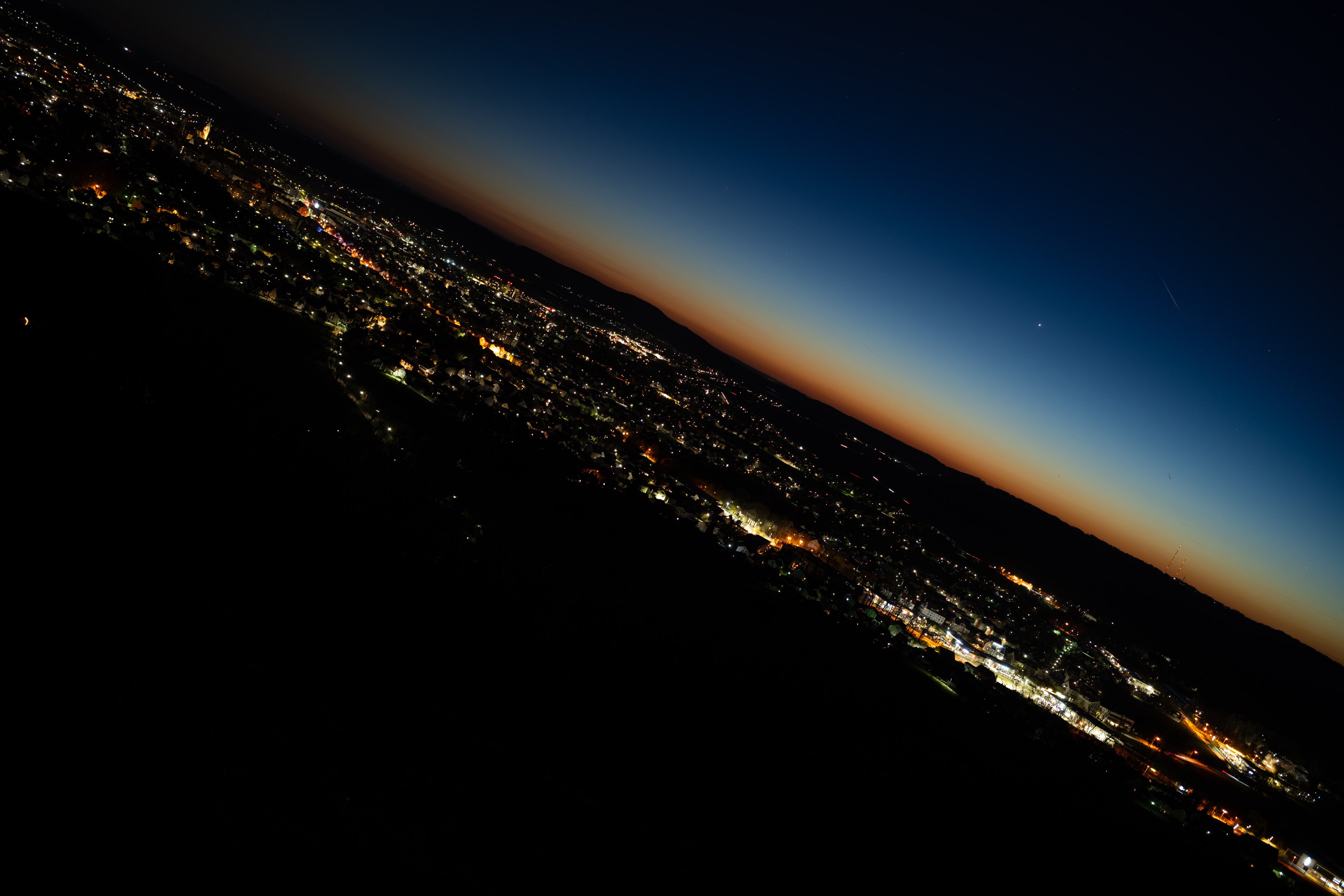
Above: Voigtländer 28mm f2 APO-Lanthar at f2.0; click image for 4k version, here for large original
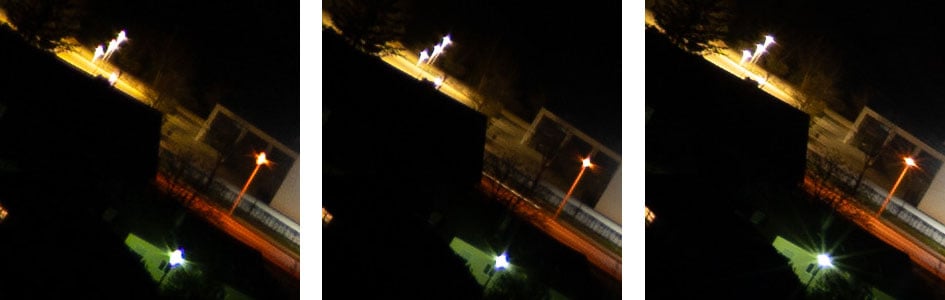
Above: Voigtländer 28mm f2 APO-Lanthar; 100% crops from the FF/FX-corner at f2.0 (left), f2.8 (middle), f4.0 (right)
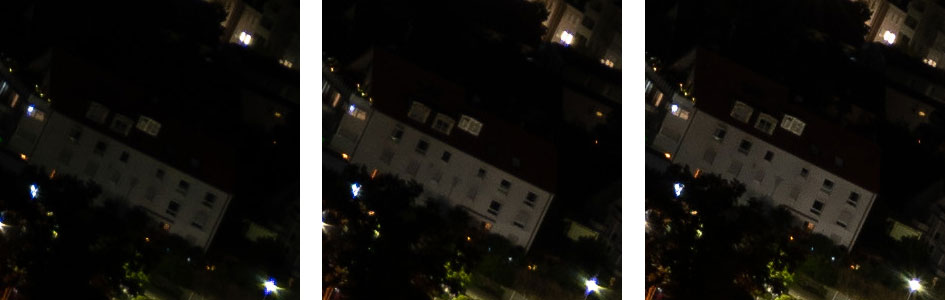
Above: Voigtländer 35mm f2 APO-Lanthar; 100% crops from the FF/FX-corner at f2.0 (left), f2.8 (middle), f4.0 (right)
The Voigtländer 28mm f2 APO-Lanthar shows a little bit of coma at f2.0 and f2.8. From f4.0 onwards the lens produces more diffraction spikes than coma. The 35mm APO-Lanthar has less coma.
Bokeh quality
This test is for the rendering of point-light sources in an out-of-focus background. The circle of confusion that is produced by this test is pretty indicative of Bokeh performance (in the background) and light fall-off. Ideally the out-of-focus image of the point-light is evenly lit and perfectly circular, with no “onion-rings”, and without coloration. Large aperture lenses normally produce an effect known as “cat’s eye” the further away from the optical axis the point-light is projected. This is due to optical vignetting in the lens barrel when light enters the lens from an angle.
The crops below the main image are from the center, APS-C/DX-corner, and FF/FX-corner of the 4k version. I’ve thrown in the 35mm APO-Lanthar and the Sigma 28mm f1.4 Art (shot via FTZ-adapter on a Nikon Z7) for comparison.
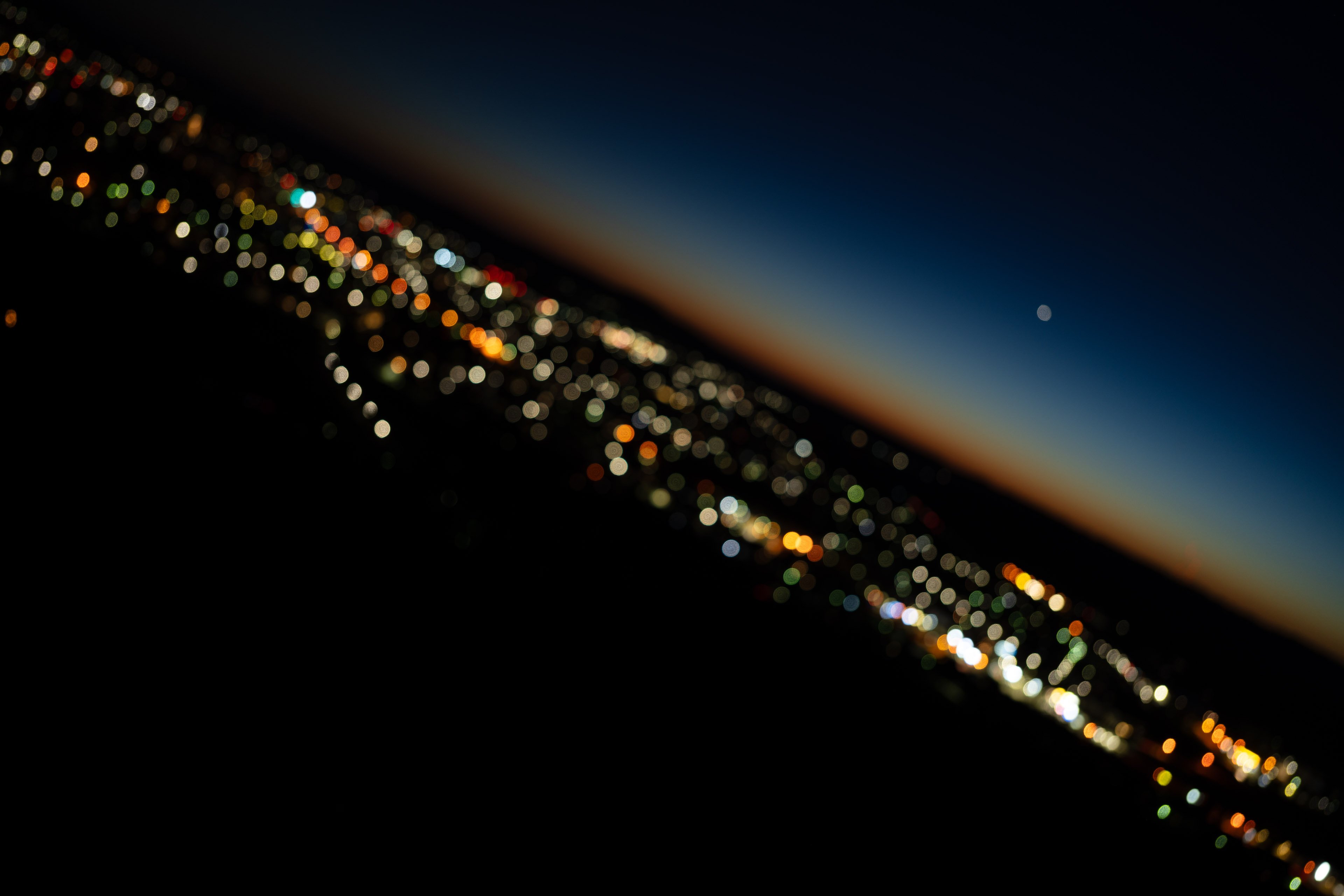
Above: Voigtländer 28mm f2 APO-Lanthar at f2.0; click image for 4k version, here for large original
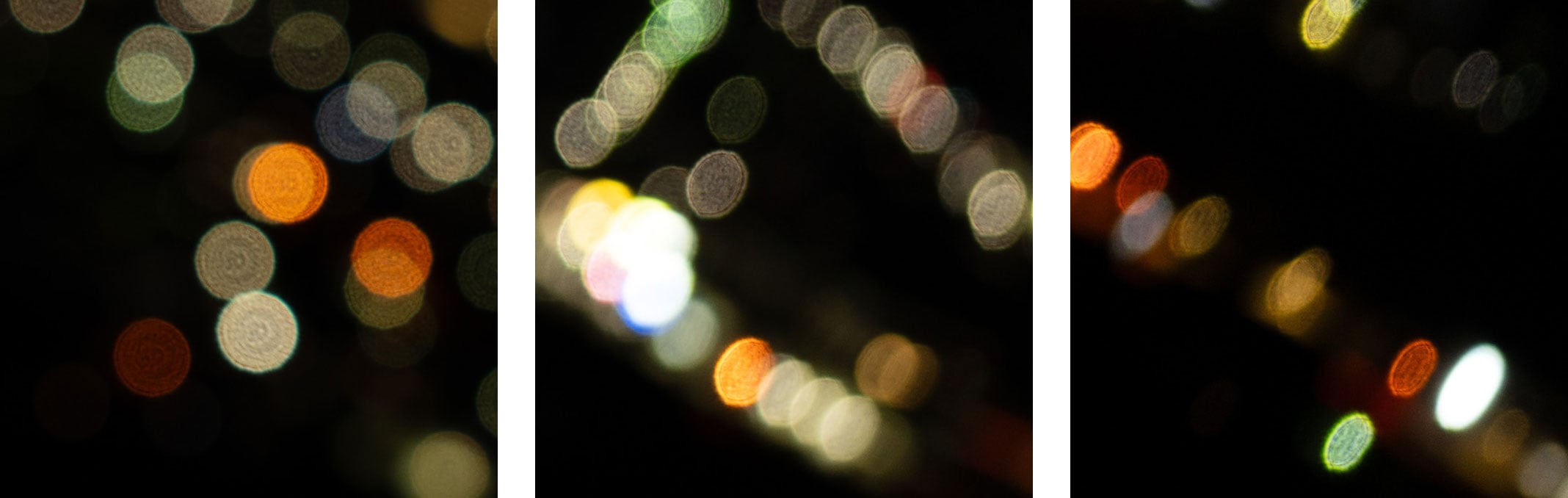
Above: Voigtländer 28mm f2 APO-Lanthar at f2.0; click image for 100% crops
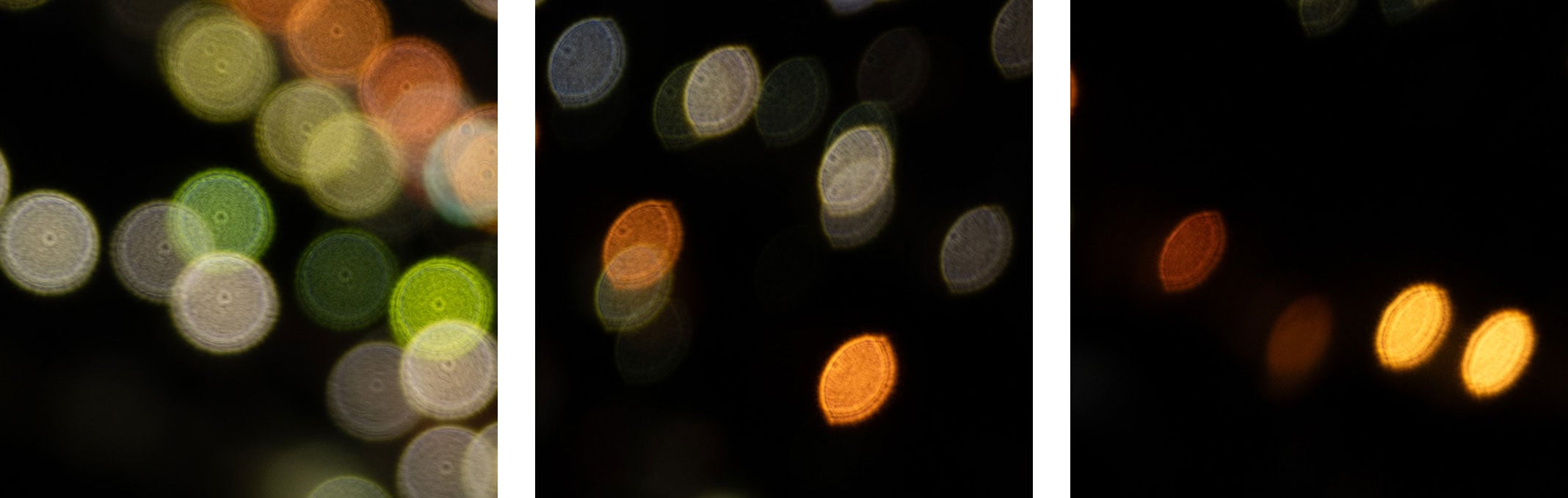
Above: Voigtländer 35mm f2 APO-Lanthar at f2.0; click image for 100% crops, here for large original
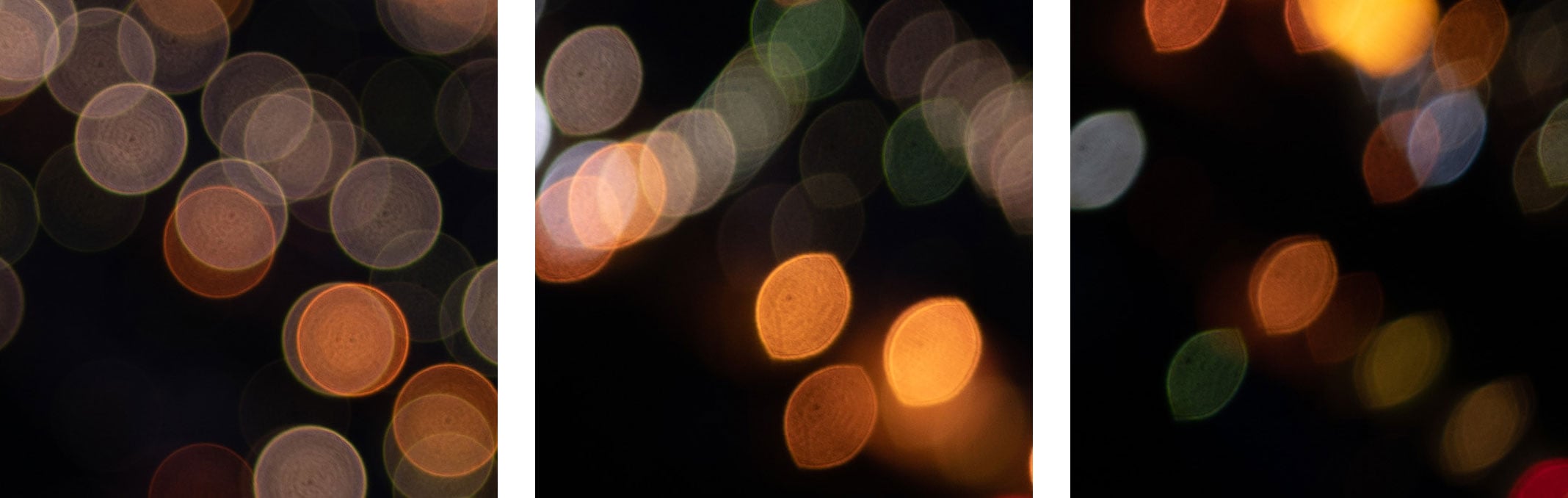
Above: Sigma 28mm f1.4 Art at f1.4; click image for 100% crops, here for large original
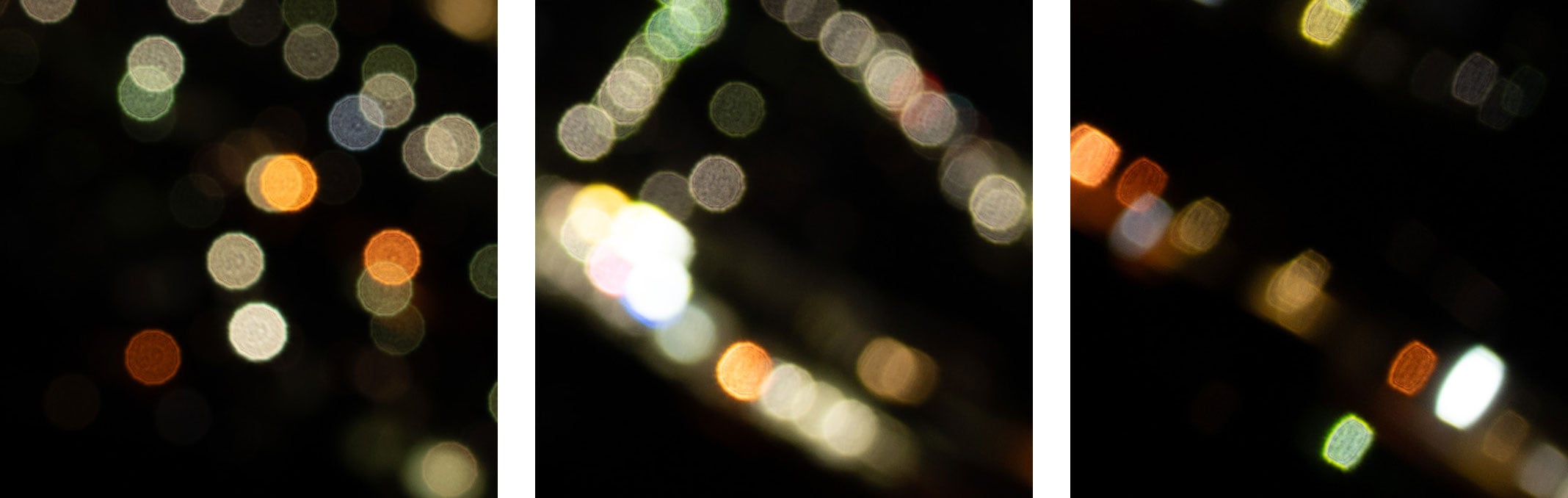
Above: Voigtländer 28mm f2 APO-Lanthar at f2.8; click image for 100% crops
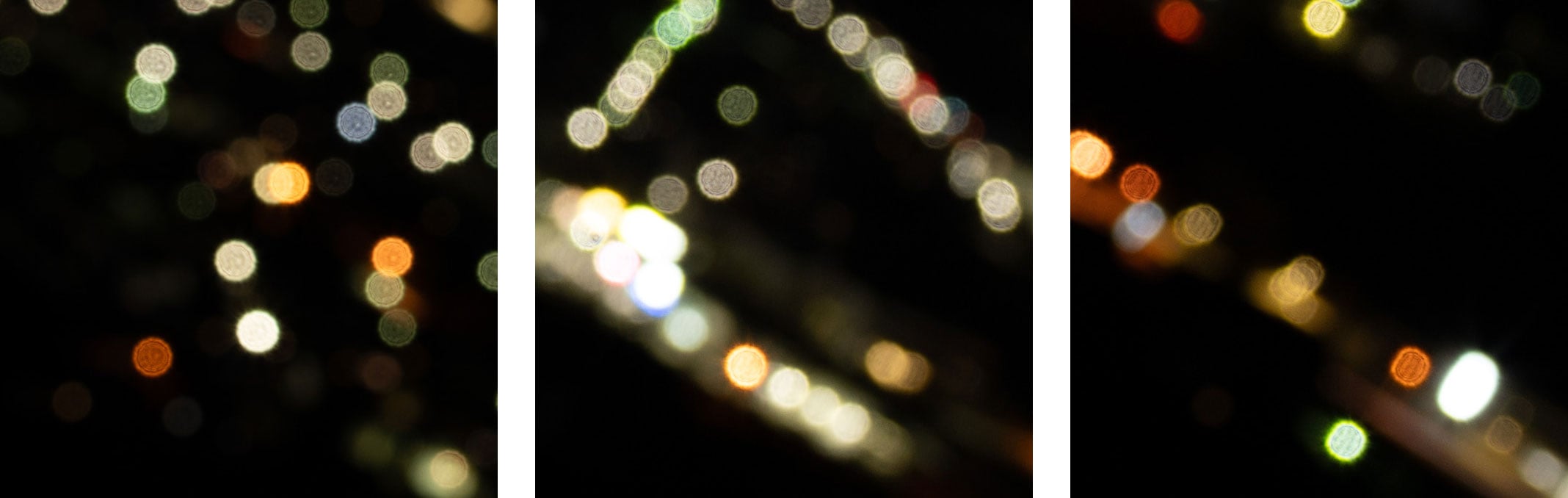
Above: Voigtländer 28mm f2 APO-Lanthar at f4.0; click image for 100% crops
The diameter of the Bokeh balls in the center is determined by the entrance pupil of the lens: Thus on the 28mm Voigtländer they are 20% smaller than on the 35mm Voigtländer (at identical aperture and magnification) and 30% smaller than on the Sigma at f1.4. Wide open the 28mm Voigtländer produces Bokeh balls with a slight green outline but a relatively uniform texture while the Bokeh balls of the 35mm Voigtländer are free of a colored outline but show two brighter rings inside. The Sigma suffers a bit from outlining but is free of coloration and smoothly textured. The cat’s eye effect towards the corners is clearly visible with both Voigtländers even in the APS-C/DX-corner at f2.0 although a little less pronounced on the 28mm lens than on the 35mm variant. The circles of confusion of the 28mm Voigtländer are perfectly rounded only at f2.0. At all other apertures the aperture blades produce an effect like a gear wheel. Voigtländer’s 35mm and 50mm APO-Lanthar lenses have perfectly round aperture blades at f2.0, f2.8, f5.6 and f16 – a solution I prefer.
Now let’s see how this analysis of out-of-focus point-light sources translates into Bokeh-performance shooting a book-shelf. Again, the crops of the foreground, the middle-ground, and the background below the main image are resized to make them comparable across all my reviews.

Above: Voigtländer 28mm f2 APO-Lanthar at f2.0; click image for 4k version, here for large original

Above: Voigtländer 28mm f2.0 APO-Lanthar at f2.0; click image for 100% crops, here for large original

Above: Voigtländer 35mm f2.0 APO-Lanthar at f2.0; click image for 100% crops, here for large original

Above: Sigma 28mm f1.4 Art at f1.4; click image for 4k version, here for large original
Bokeh of the Voigtländer 28mm f2.0 APO-Lanthar is surprisingly smooth for a very sharp wide-angle lens and shows very little coloration in the transition zone. Looking at another crop (below, now at 100%) from the same images reveals a bit of double contours but I didn’t find them obtrusive in real life shots (look e.g. here). The 35mm APO-Lanthar is a bit better in all Bokeh related aspects compared to the 28mm f2.0 APO-Lanthar but the Sigma trumps them both due to its focal ratio of f1.4.
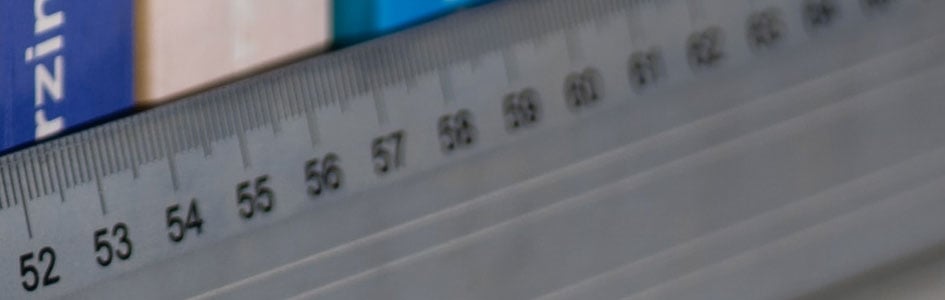
Above: Voigtländer 28mm f2.0 APO-Lanthar at f2.0
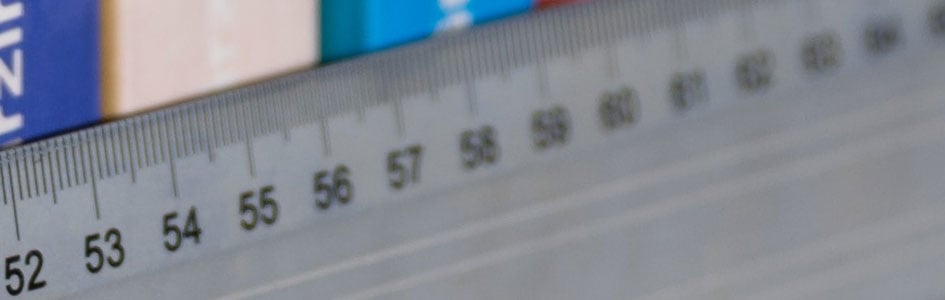
Above: Voigtländer 35mm f2.0 APO-Lanthar at f2.0
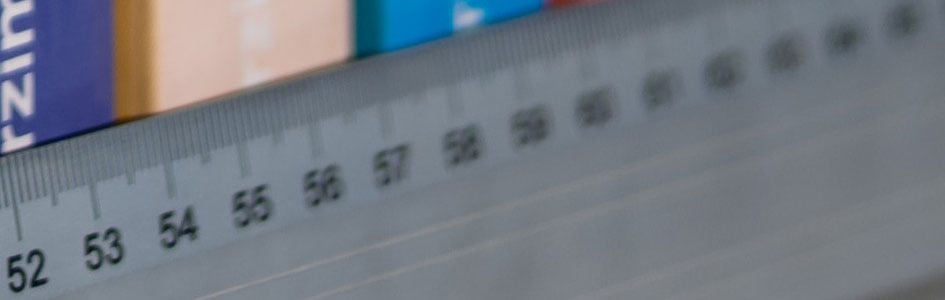
Above: Sigma 28mm f1.4 Art at f1.4
Close-up performance
The Voigtländer 28mm f2.0 APO-Lanthar achieves a maximum magnification of 1:6.8 at minimum object distance. The following images were shot at 1:7.0 where the area of sharp focus is just 168 x 252mm. The images shown below are 100% crops from 0mm, 12mm, and 19mm off the center of the sensor respectively. I focused separately for each crop to eliminate the strong influence of field curvature.
Voigtländer 28mm f2.0 APO-Lanthar; 100% crop from center, APS-C/DX-corner, FF/FX-corner
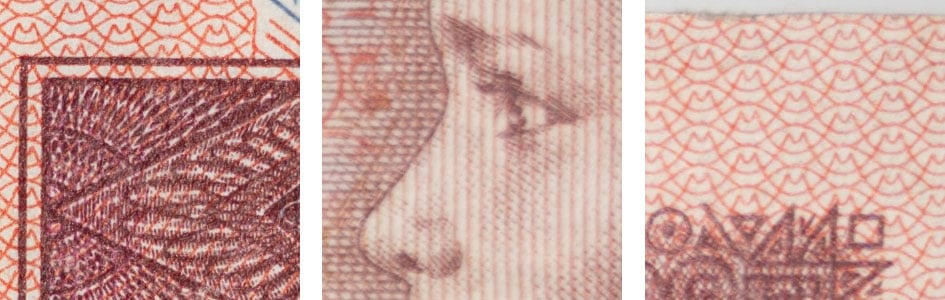
Above: Voigtländer 28mm f2.0 APO-Lanthar at f2.0; 100% crops
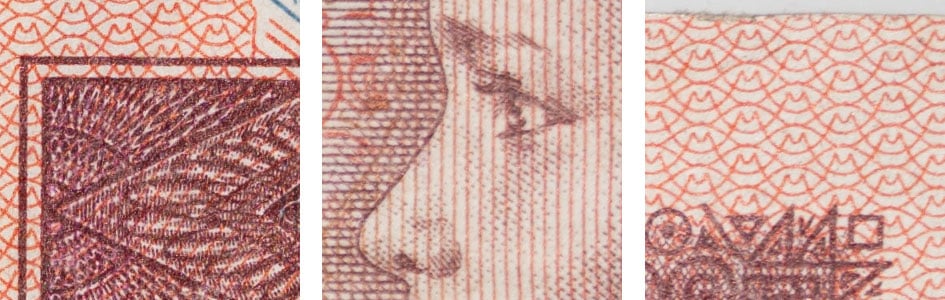
Above: Voigtländer 28mm f2.0 APO-Lanthar at f4.0; 100% crops

Above: Voigtländer 28mm f2.0 APO-Lanthar at f8.0; 100% crops
The Voigtländer 28mm f2.0 APO-Lanthar is already very sharp at f2.0 in the center (up to 3mm image height). But you need to stop down to at least f4.0 to get good image quality across the full frame. The 35mm APO-Lanthar is better in this respect.
Flare, glare, ghosting, and sun-stars
Catching a strong light-source shining directly into the lens is always a risky business: it could produce strange colorful ghost-images or reduce contrast considerably through flare and glare. The appearance of flare and ghosting depends on factors like the aperture and the angle of the light hitting the lens. So to judge the proclivity of the Voigtländer 28mm f2 APO-Lanthar for these artifacts I went through a series of well calculated shots against a strong light source to provoke glare and ghosting. The lens hood was mounted in all shots.
It was very hard to provoke any artefacts with my usual test settings. You have to look at the 3 stops overexposed version (linked below the images) to see any effect. The little bright square inset in the upper left shows the respective area with an exposure compensation of +3 EV to make it easier to see which levels of black the lens renders at that point:
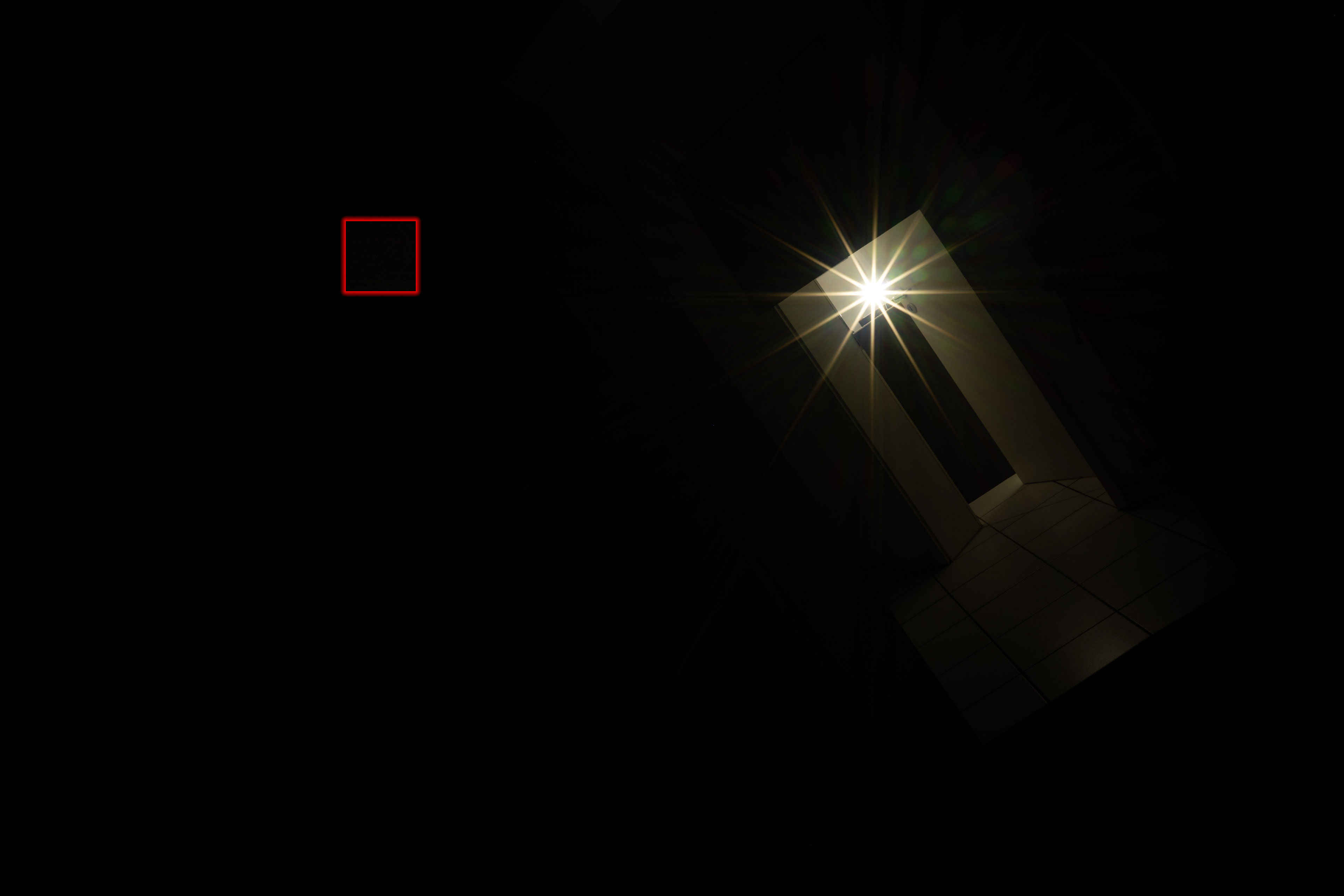
Above: Voigtländer 28mm f2 APO-Lanthar at 4sec, f11; click image for 4k version or here for +3 EV exposure compensation
I also tested the lens wide open and found similar results.The Voigtländer 28mm f2 APO-Lanthar is very resilient against flare, (veiling) glare or ghosting and renders a very deep black outside the immediately affected areas. So you can shoot confidently under adverse contra-light situations.
As the 35mm f2 APO-Lanthar had a position outside the FF/FX-corner where the sun caused very strong veiling glare I explicitly tested the 28mm lens for it. But again: You have to look at the 3 EV overexposed image to see any effect at all. Very good!
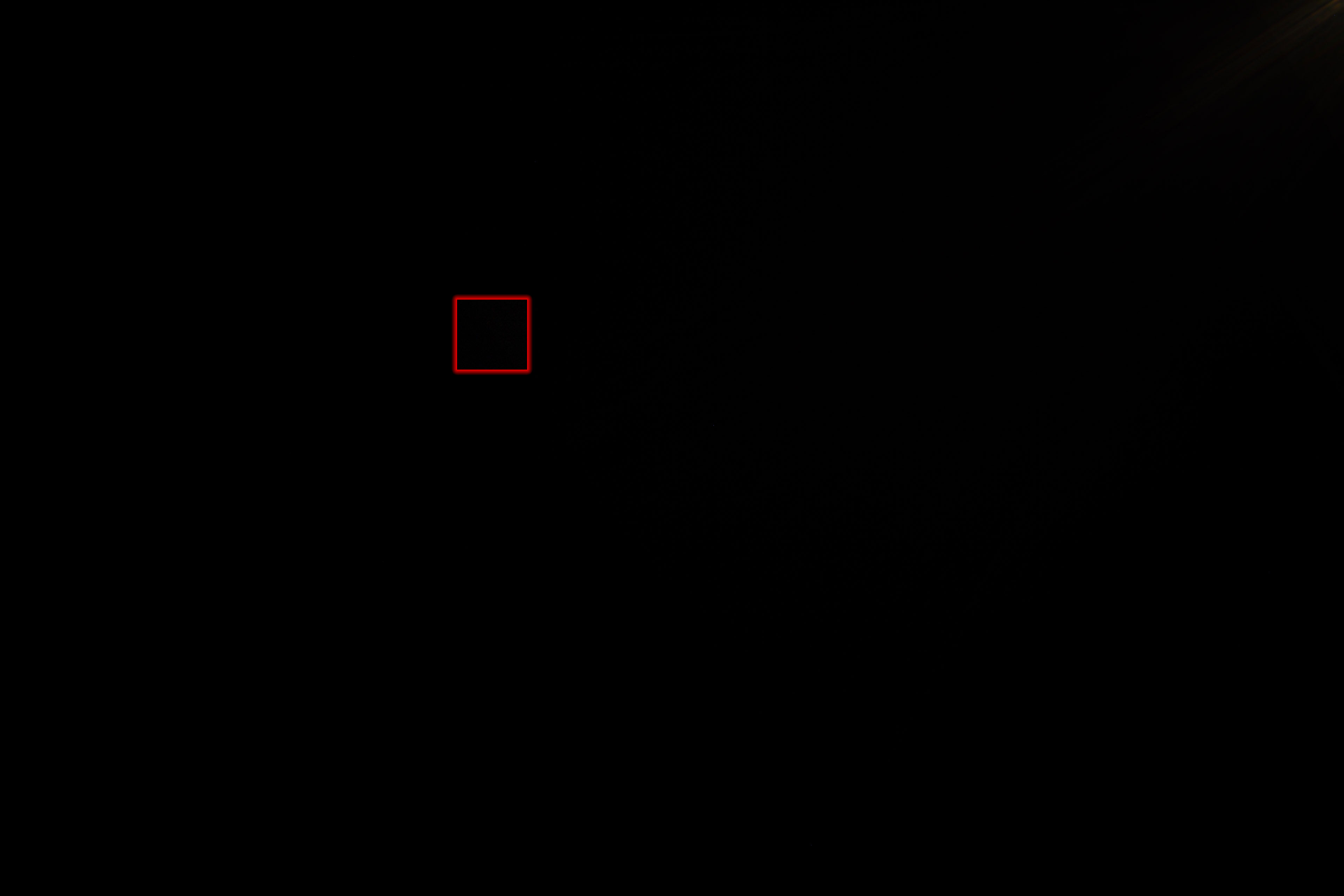
Above: Voigtländer 28mm f2 APO-Lanthar at 4sec, f11; click image for 4k version or here for +3 EV exposure compensation
The Voigtländer 28mm f2 APO-Lanthar has 12 aperture blades with a slight indentation where the blades meet: This produces sunstars with 12 diffraction spikes at every aperture setting other than f2.0:
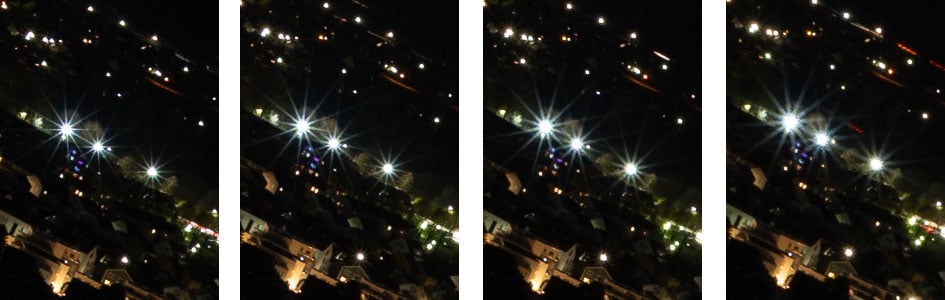
Above: Sunstars from the Voigtländer 28mm f2 APO-Lanthar at f2.8, f4.0, f5.6, f8.0
Next check out my sample images!
Check prices or buy the Voigtlander 28mm f2 APO-Lanthar at B&H or Adorama, WEX UK or Calumet.de. Buy used gear from MPB. Sell your used gear to MPB. Or why not treat yourself to a copy of my In Camera book, an official Cameralabs T-shirt or mug, or treat me to a coffee! Thanks!