- Tamron 16-30mm f2.8 Di III G2 review
- Zeiss Otus ML 50mm f1.4 review
- Sigma 300-600mm f4 DG OS review
- Sony FE 50-150mm f2 GM review
- Tamron 90mm f2.8 Di III Macro review
- Sigma 24-70mm f2.8 DG DN II Art review
- Sigma 50mm f1.2 DG DN Art review
- Sigma 500mm f5.6 DG DN Sports review
- Tamron 70-180mm f2.8 Di III VC G2 review
- Sigma 10-18mm f2.8 DC DN review
- Sony FE 70-200mm f4 G OSS II review
- Sigma 14mm f1.4 DG DN Art review
- Zhongyi Mitakon Speedmaster 85mm f1.2 review
- Sigma 23mm f1.4 DC DN review
- Sigma 17mm f4 DG DN review
- Sigma 50mm f2 DG DN review
- Sony FE 50mm f1.4 GM review
- Sigma 50mm f1.4 DG DN Art review
- Sony FE 20-70mm f4 G review
- Sigma 60-600mm f4.5-6.3 DG DN review
- Tamron 70-300mm f4.5-6.3 Di III review
- Voigtlander 65mm f2 APO-Lanthar Macro review-so-far
- Tamron 50-400mm f4.5-6.3 Di III VC review
- Tamron 150-500mm f5-6.7 Di III VC review
- Viltrox AF 35mm f1.8 review
- Sigma 24mm f1.4 DG DN Art review
- Sigma 20mm f1.4 DG DN Art review
- Voigtlander 35mm f2 APO-Lanthar review
- Viltrox AF 24mm f1.8 review
- Voigtlander 50mm f2 APO-Lanthar review
- Viltrox AF 50mm f1.8 review
- Sony E 15mm f1.4 G review
- Sony E 11mm f1.8 review
- Sony E 10-20mm f4 G PZ review
- Sigma 16-28mm f2.8 DG DN review
- Sony FE 24-70mm f2.8 GM II review
- Sony FE PZ 16-35mm f4 G review
- Sigma 20mm f2 DG DN review
- Tamron 28-75mm f2.8 Di III G2 review
- Tamron 35-150mm f2-2.8 Di III review
- Sigma 150-600mm f5-6.3 DG DN OS review
- Sigma 18-50mm f2.8 DC DN review
- Sony FE 70-200mm f2.8 GM II review
- Sigma 24mm f2 DG DN review
- Sigma 90mm f2.8 DG DN review
- Laowa 25mm f2.8 2.5-5x Ultra Macro review
- Laowa 15mm f4.5 Zero-D Shift review
- Laowa 100mm f2.8 2x Macro APO review
- Sigma 35mm f1.4 DG DN Art review
- Sony FE 14mm f1.8 G Master review
- Sigma 24mm f3.5 DG DN review
- Viltrox AF 85mm f1.8 II review
- Sony FE 24mm f2.8 G review
- Sony FE 40mm f2.5 G review
- Sony FE 50mm f2.5 G review
- Sony FE 50mm f1.2 GM review
- Sony FE 90mm f2.8 Macro review
- Sigma 28-70mm f2.8 DG DN review
- Sigma 65mm f2 DG DN review
- Sony FE 12-24mm f2.8 GM review
- Sony FE 35mm f1.4 GM review
- Sigma 35mm f2 DG DN review
- Sony FE 12-24mm f4G review
- Sigma 14-24mm f2.8 DG DN Art review
- Sigma 105mm f2.8 DG DN Macro Art review
- Sigma 85mm f1.4 DG DN Art review
- Sony FE 24-240mm f3.5-6.3 OSS review
- Tamron 28-200mm f2.8-5.6 Di III RXD review
- Sony FE 70-200mm f2.8 GM OSS review
- Sigma 100-400mm f5-6.3 DG DN review
- Tamron 70-180mm f2.8 Di III VXD review
- Sony FE 24-70mm f2.8 GM review
- Sigma 30mm f1.4 DC DN review
- Tamron 20mm f2.8 Di III M1:2 review
- Sony FE 20mm f1.8 G review
- Sigma 24-70mm f2.8 DG DN Art review
- Zhongyi Mitakon Speedmaster 50mm f0.95 III review
- Samyang AF 35mm f1.4 FE review
- Sony E 70-350mm f4.5-6.3 G OSS review
- Sony FE 35mm f1.8 review
- Sony E 16-55mm f2.8 G review
- Sigma 35mm f1.2 DG DN Art review
- Sony FE 50mm f1.8 review
- Sony FE 55mm f1.8 ZA review
- Sony FE 16-35mm f2.8 GM review
- Tamron 17-28mm f2.8 Di III review
- Sony FE 50mm f1.4 ZA review
- Sony FE 200-600mm f5.6-6.3 G OSS review so far
- Sony FE 600mm f4 GM OSS review so far
- Sony FE 35mm f2.8 ZA review
- Sony FE 35mm f1.4 ZA review
- Zeiss Batis 40mm f2 CF review
- Sony FE 135mm f1.8 GM review
- Sony FE 85mm f1.4 GM review
- Zeiss 25mm Batis f2 review
- Sigma 16mm f1.4 DC DN review
- Sony FE 24mm f1.4 GM review
- Sigma 56mm f1.4 review
- Zeiss Batis 85mm f1.8 review
- Sony FE 85mm f1.8 review
- Tamron 28-75mm f2.8 review
- Sony FE 400mm f2.8 GM OSS review so far
- Sony E 18-135mm f3.5-5.6 review
- Sony FE 24-105mm f4G OSS review so far
- Sony FE 28mm f2 review-so-far
- Sony E 18-105mm f4 review-so-far
- Sony FE 100-400mm f4.5-5.6 GM OSS review
- Sony FE 70-200mm f4G OSS review
- Sony E 10-18mm f4 review-so-far
- Sony E 24mm f1.8 ZA review-so-far
Sony Lenses
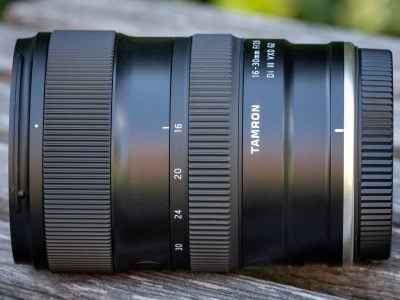
Tamron 16-30mm f2.8 Di III G2 review
16 Oct 2025 ThomasThe Tamron 16-30mm f2.8 Di III G2 is the 2nd generation of an ultra-wide zoom for Sony and Nikon mirrorless full-frame cameras. Find out how it compares against its predecessor and rivals in my comprehensive review!
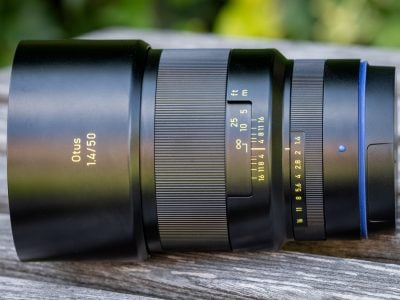
Zeiss Otus ML 50mm f1.4 review
12 Sep 2025 ThomasThe Zeiss Otus ML 50mm f1.4 is a wide-aperture, manual focus, standard prime lens designed for Sony, Canon, and Nikon mirrorless full-frame cameras. Find out how it stacks up against its legendary 2013 predecessor in my comprehensive review!
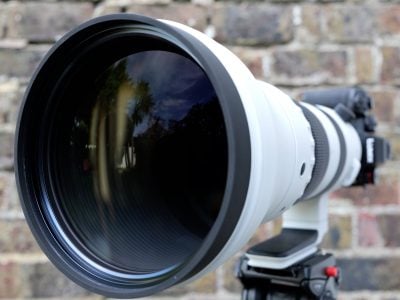
Sigma 300-600mm f4 DG OS review
28 Apr 2025 Gordon LaingThe Sigma 300-600mm f4 DG OS is a bright aperture, super-tele zoom aimed at high-end sports and wildlife photographers. Available in Sony e and L mounts, it costs around half that of 600 f4 primes from the big names while also zooming-out to 300mm. Find out why it’s a game-changer in my review!
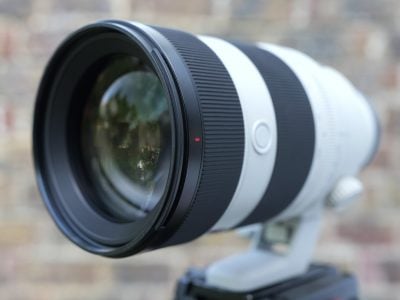
Sony FE 50-150mm f2 GM review
22 Apr 2025 Gordon LaingThe Sony FE 50-150mm f2 G Master is a bright telephoto zoom that’ll delight portrait, event and close range sports photographers. Here's my review!
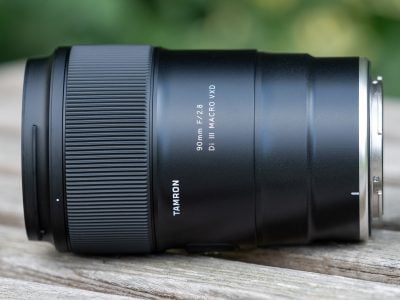
Tamron 90mm f2.8 Di III Macro review
21 Nov 2024 ThomasTamron's new 1:1 macro lens for Sony E-mount and Nikon Z-mount looks like an interesting alternativ to Nikon's and Sony's own macro lenses. Find out more about the features and qualities of the 90mm f2.8 Di III Macro in my full review!
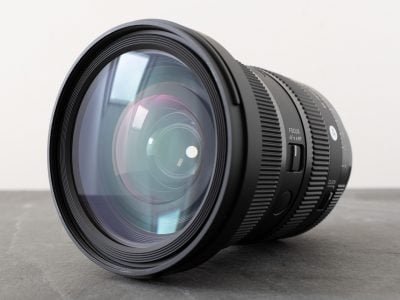
Sigma 24-70mm f2.8 DG DN II Art review
16 May 2024 Gordon LaingThe Sigma 24-70mm f2.8 DG DN II Art delivers the classic range and aperture beloved of wedding and event shooters, now in an upgraded Mark II version with better features and quality. Find out why it offers great value in my review!
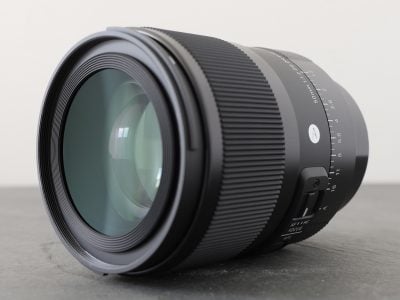
Sigma 50mm f1.2 DG DN Art review
26 Mar 2024 Gordon LaingThe Sigma 50mm f1.2 DG DN Art is a standard prime lens with a bright aperture for Sony E and Leica L mount cameras. See why it's one of the best 50's to date in my review!
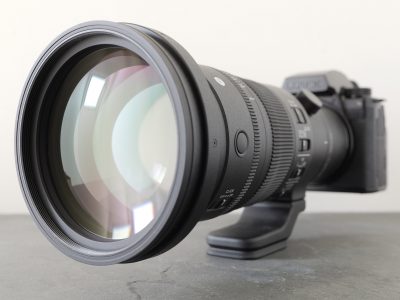
Sigma 500mm f5.6 DG DN Sports review
13 Mar 2024 Gordon LaingThe Sigma 500mm f5.6 DG DN OS Sports is a light and compact super-telephoto prime lens aimed at sports, wildlife and aviation photographers. Here's my full review!
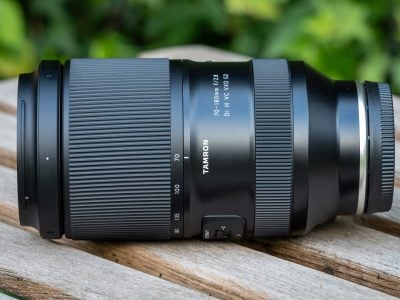
Tamron 70-180mm f2.8 Di III VC G2 review
06 Nov 2023 ThomasThe 70-180mm f2.8 Di III VC VXD G2 is the second generation of Tamron’s small and light telephoto zoom. Designed for Sony’s E-mount mirrorless cameras Tamron added optical image stabilization plus a highly configurable focus set button, custom switch, and focus ring. Can it improve upon the optical qualities of its predecessor? Find out in my full review!
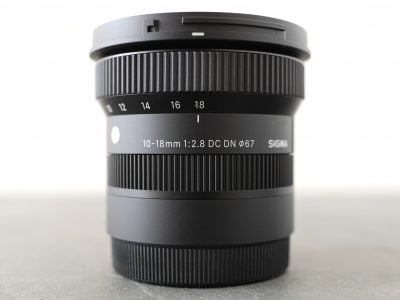
Sigma 10-18mm f2.8 DC DN review
05 Oct 2023 Gordon LaingThe Sigma 10-18mm f2.8 DC DN is an ultra wide zoom for APSC mirrorless cameras, and available in Fujifilm X, Sony E and Leica L mounts. Here's my review!
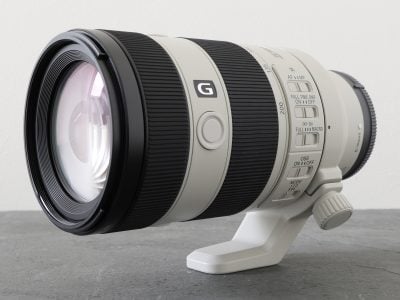
Sony FE 70-200mm f4 G OSS II review
12 Jul 2023 Gordon LaingThe Sony FE 70-200mm f4G OSS II is a short telephoto zoom designed for Alpha mirrorless cameras. It comes almost ten years after the original version, so let's see how they compare in my full review!
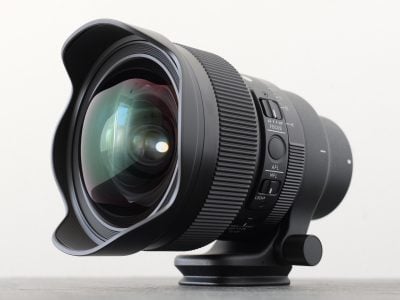
Sigma 14mm f1.4 DG DN Art review
08 Jun 2023 Gordon LaingThe Sigma 14mm f1.4 DG DN Art is the fastest non-fisheye 14 to date, making it perfect for astro, while also being equally good at landscape, architecture and dramatic video. Find out how it compares to Sony’s 14 1.8 GM in my in-depth review!
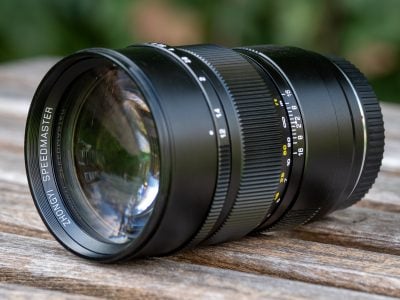
Zhongyi Mitakon Speedmaster 85mm f1.2 review
03 May 2023 ThomasThe Mitakon Speedmaster is a mild telephoto prime lens with a bright focal ratio of f1.2. It's manual focus only but also much cheaper than the alternatives from Nikon and Canon. How does Zhongyi's lens perform - especially regarding Bokeh? Find out in my full review.
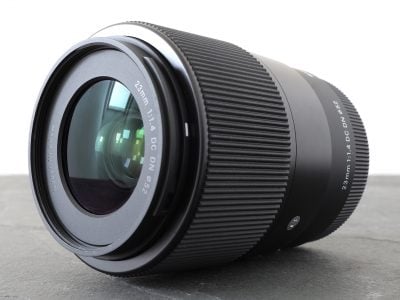
Sigma 23mm f1.4 DC DN review
18 Apr 2023 Gordon LaingThe Sigma 23mm f1.4 DC DN is a mild wide angle lens designed for mirrorless cameras with cropped APSC sensors. Available in Sony-e, Leica-L and Fujifilm-X mounts, it delivers coverage equivalent to 35mm. Here's my in-depth review!
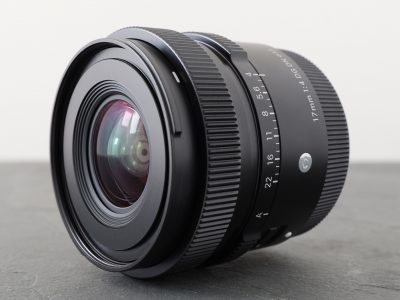
Sigma 17mm f4 DG DN review
03 Apr 2023 Gordon LaingThe Sigma 17mm f4 DG DN is an ultra wide-angle prime lens for full-frame mirrorless cameras - and spoiler alert, it’s one of the most fun lenses I’ve tested in a while. Here's my review!
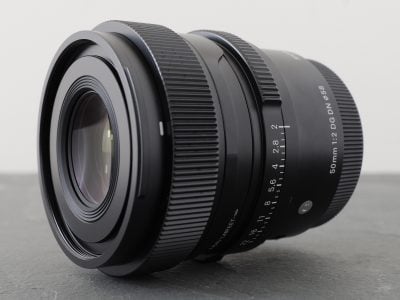
Sigma 50mm f2 DG DN review
03 Apr 2023 Gordon LaingThe Sigma 50mm f2 DG DN is a standard prime lens for full-frame mirrorless cameras, initially available in Sony-e and Leica-L mounts. Can it stand out in a crowded market of 50s? Find out in my review!
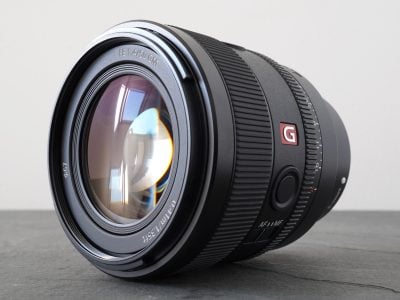
Sony FE 50mm f1.4 GM review
21 Feb 2023 Gordon LaingThe FE 50mm f1.4 G Master is a standard prime lens with a fast aperture for Sony's full-frame mirrorless cameras. Find out how it compares to the 1.2 version and Sigma's recent 1.4 in my full review!
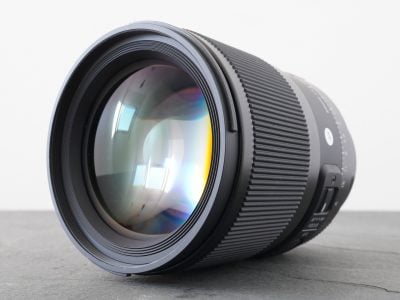
Sigma 50mm f1.4 DG DN Art review
07 Feb 2023 Gordon LaingThe Sigma 50mm f1.4 DG DN Art is a standard prime lens designed for full-frame mirrorless cameras and available for Sony e and Leica L mounts, the latter working on Panasonic Lumix S bodies. Is this the best mid-range 50? Find out in my full review!
