- Sigma 24-70mm f2.8 DG DN II Art review
- Sigma 500mm f5.6 DG DN Sports review
- Sigma 14mm f1.4 DG DN Art review
- Sigma 23mm f1.4 DC DN review
- Sigma 17mm f4 DG DN review
- Sigma 50mm f2 DG DN review
- Sigma 50mm f1.4 DG DN Art review
- Sigma 60-600mm f4.5-6.3 DG DN review
- Sigma 24mm f1.4 DG DN Art review
- Sigma 20mm f1.4 DG DN Art review
- Sigma 16-28mm f2.8 DG DN review
- Sigma 20mm f2 DG DN review
- Sigma 150-600mm f5-6.3 DG DN OS review
- Sigma 18-50mm f2.8 DC DN review
- Sigma 24mm f2 DG DN review
- Sigma 90mm f2.8 DG DN review
- Sigma 35mm f1.4 DG DN Art review
- Sigma 24mm f3.5 DG DN review
- Sigma 28-70mm f2.8 DG DN review
- Sigma 65mm f2 DG DN review
- Sigma 35mm f2 DG DN review
- Sigma 14-24mm f2.8 DG DN Art review
- Sigma 105mm f2.8 DG DN Macro Art review
- Sigma 85mm f1.4 DG DN Art review
- Sigma 100-400mm f5-6.3 DG DN review
- Sigma 30mm f1.4 DC DN review
- Sigma 24-70mm f2.8 DG DN Art review
- Sigma 35mm f1.2 DG DN Art review
- Sigma 50mm f1.4 Art review
- Sigma 28mm f1.4 Art review
- Sigma 40mm f1.4 Art review
- Sigma 16mm f1.4 DC DN review
- Sigma 56mm f1.4 review
- Sigma 105mm f1.4 Art review
- Sigma 14-24mm f2.8 ART review
- Sigma 24-70mm f2.8 OS Art review
- Sigma 100-400mm f5-6.3 OS review
- Sigma 135mm f1.8 Art review
- Sigma 12-24mm f4 Art review
- Sigma 85mm f1.4 Art review
- Sigma 24-35mm f2 Art review
- Sigma 20mm f1.4 Art review
- Sigma 24mm f1.4 Art review
- Sigma 150-600mm Sport review
- Sigma 24-105mm f4 OS Art review
- Sigma 50mm f1.4 EX review
- Sigma 35mm f1.4 Art review
- Sigma 70-200mm f2.8 OS review
- Vergleich von 85mm Festbrennweiten für Nikon
- Nikon 85mm lens group test
- Sigma 85mm f1.4 EX review
- Sigma 150-500mm f5-6.3 OS review
Sigma Lenses
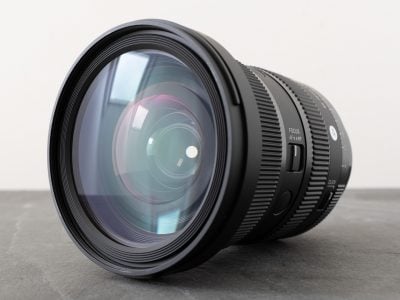
Sigma 24-70mm f2.8 DG DN II Art review
16 May 2024 Gordon LaingThe Sigma 24-70mm f2.8 DG DN II Art delivers the classic range and aperture beloved of wedding and event shooters, now in an upgraded Mark II version with better features and quality. Find out why it offers great value in my review!
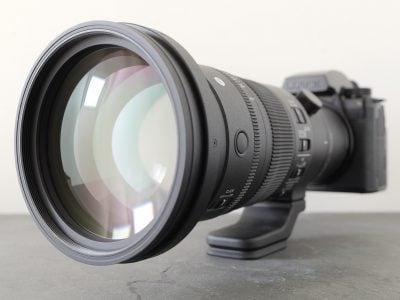
Sigma 500mm f5.6 DG DN Sports review
13 Mar 2024 Gordon LaingThe Sigma 500mm f5.6 DG DN OS Sports is a light and compact super-telephoto prime lens aimed at sports, wildlife and aviation photographers. Here's my full review!
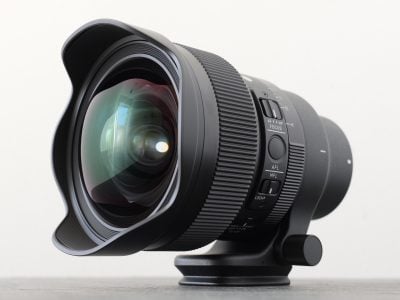
Sigma 14mm f1.4 DG DN Art review
08 Jun 2023 Gordon LaingThe Sigma 14mm f1.4 DG DN Art is the fastest non-fisheye 14 to date, making it perfect for astro, while also being equally good at landscape, architecture and dramatic video. Find out how it compares to Sony’s 14 1.8 GM in my in-depth review!
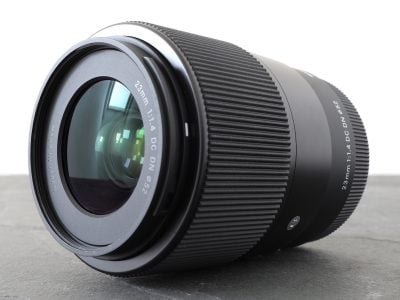
Sigma 23mm f1.4 DC DN review
18 Apr 2023 Gordon LaingThe Sigma 23mm f1.4 DC DN is a mild wide angle lens designed for mirrorless cameras with cropped APSC sensors. Available in Sony-e, Leica-L and Fujifilm-X mounts, it delivers coverage equivalent to 35mm. Here's my in-depth review!
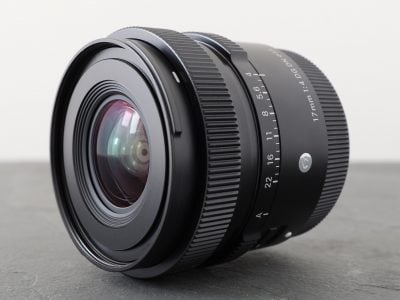
Sigma 17mm f4 DG DN review
03 Apr 2023 Gordon LaingThe Sigma 17mm f4 DG DN is an ultra wide-angle prime lens for full-frame mirrorless cameras - and spoiler alert, it’s one of the most fun lenses I’ve tested in a while. Here's my review!
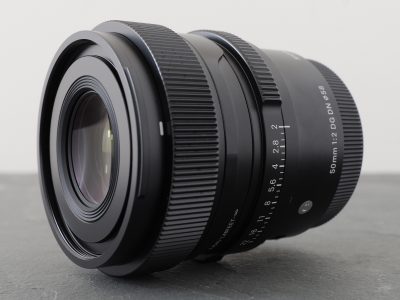
Sigma 50mm f2 DG DN review
03 Apr 2023 Gordon LaingThe Sigma 50mm f2 DG DN is a standard prime lens for full-frame mirrorless cameras, initially available in Sony-e and Leica-L mounts. Can it stand out in a crowded market of 50s? Find out in my review!
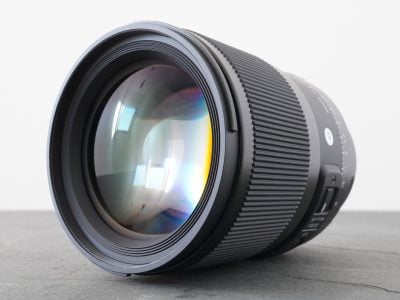
Sigma 50mm f1.4 DG DN Art review
07 Feb 2023 Gordon LaingThe Sigma 50mm f1.4 DG DN Art is a standard prime lens designed for full-frame mirrorless cameras and available for Sony e and Leica L mounts, the latter working on Panasonic Lumix S bodies. Is this the best mid-range 50? Find out in my full review!
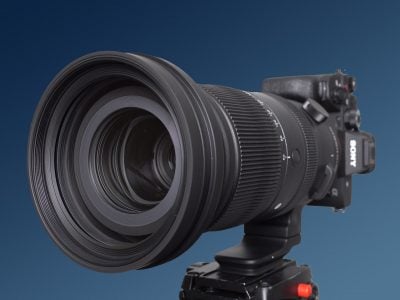
Sigma 60-600mm f4.5-6.3 DG DN review
12 Jan 2023 Gordon LaingThe Sigma 60-600mm DG DN takes you from standard to super-telephoto, ideal for sports and wildlife photography. In my review I test the mirrorless DG DN version!
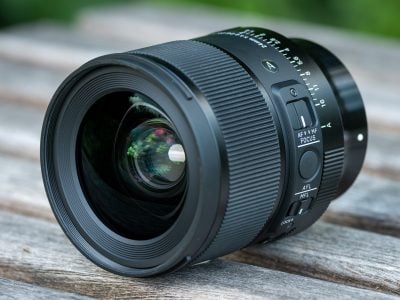
Sigma 24mm f1.4 DG DN Art review
29 Aug 2022 ThomasThe 24mm f1.4 DG DN Art from Sigma is a wide-angle prime lens designed for mirrorless full-frame cameras with L-mount or Sony E-mount. Is it a good alternative to Sony's FE 24mm f1.4 GM lens? Find out in my in-depth review!
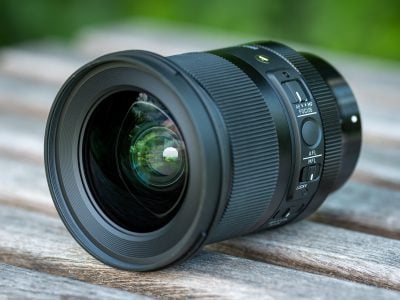
Sigma 20mm f1.4 DG DN Art review
22 Aug 2022 ThomasThe 20mm f1.4 DG DN Art from Sigma is an ultra-wide prime lens designed for mirrorless full-frame cameras with L-mount or Sony E-mount. Is it a worthy alternative to Sony's FE 20mm f1.8 G lens? Find out in my in-depth review!
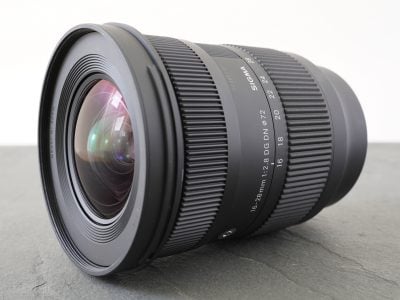
Sigma 16-28mm f2.8 DG DN review
01 Jun 2022 Gordon LaingThe Sigma 16-28mm f2.8 DG DN is a wide zoom designed for full-frame mirrorless cameras. Available for Sony-e and Leica-L mounts, it provides the allure of a bright, fixed aperture zoom at a more affordable price and lighter weight than traditional 16-35 2.8 models. Here’s my full review!
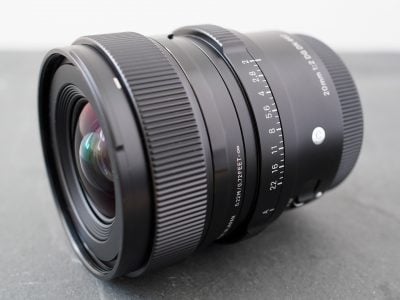
Sigma 20mm f2 DG DN review
09 Feb 2022 Gordon LaingThe Sigma 20mm f2 DG DN is a compact and affordable wide angle lens for full-frame mirrorless cameras, capturing broader coverage than a 24 without breaking the bank. Ideal for landscapes, astro, architecture, interiors, and also great for video whether you’re in front or behind the camera. Find out if it’s right for you in my full review!
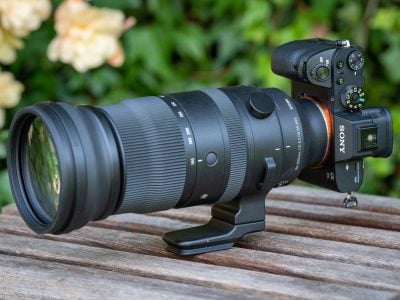
Sigma 150-600mm f5-6.3 DG DN OS review
17 Nov 2021 ThomasThe Sigma 150-600mm f5-6.3 DG DN OS Sport is a long telephoto zoom designed for full-frame mirrorless cameras with Sony E and Leica L-mounts. It complements Sigma's 100-400mm f5-6.3 DG DN OS Contemporary for those who need more reach. Check out our in-depth review!
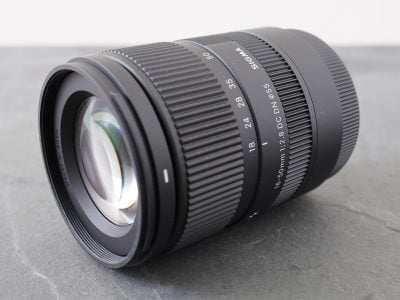
Sigma 18-50mm f2.8 DC DN review
19 Oct 2021 Gordon LaingThe Sigma 18-50mm f2.8 DC DN is a general purpose zoom with a constant fast aperture for mirrorless cameras sporting cropped APSC sensors and available in Sony and Leica-L mounts. Its aim is a step-up in aperture and sharpness from often disappointing kit zooms. Find out in my full review whether it delivers the goods!
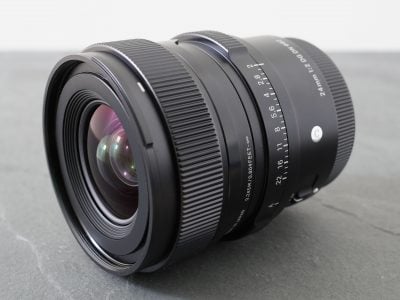
Sigma 24mm f2 DG DN review
09 Sep 2021 Gordon LaingThe Sigma 24mm f2 DG DN is a wide-angle prime lens for full-frame mirrorless cameras, and available in Sony-e and L-mount versions. It’s aimed at anyone who wants a fast-aperture wide angle prime without the cost or heft of 1.4 models. In my review, find out how it compares to a growing collection of rival options!
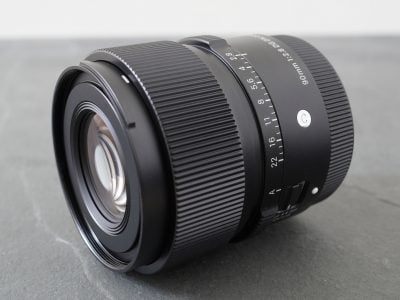
Sigma 90mm f2.8 DG DN review
09 Sep 2021 Gordon LaingThe Sigma 90mm f2.8 DG DN is a short telephoto prime lens for full-frame mirrorless cameras, and available in Sony-e and L-mount versions. It’s aimed at anyone who wants a classic portrait lens in a compact barrel at a reasonable price. In my review, find out how it compares to a growing collection of rival options!

Sigma 35mm f1.4 DG DN Art review
27 Apr 2021 Gordon LaingThe Sigma 35mm f1.4 DG DN Art is a wide angle lens for full-frame mirrorless cameras in Sony e and Leica L-mounts. Successor to Sigma’s first Art lens, the new model has high aspirations so I’ve compared it against Sony’s FE 35 1.5 GM as well as Sigma’s f1.2 and f2 models! Find out which is the best 35 for…
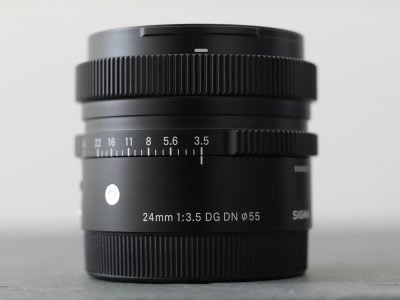
Sigma 24mm f3.5 DG DN review
12 Apr 2021 Gordon LaingThe Sigma 24mm f3.5 DG DN is a compact prime lens designed for full-frame mirrorless cameras and, at the time of testing, available in Sony e and Leica L-mounts. In my full review I'll compare it to the Sony 24mm f2.8 G!