- Nikon Z 24-105mm f4-7.1 review so far
- Nikon Z 24-70mm f2.8 S II review
- Tamron 16-30mm f2.8 Di III G2 review
- Zeiss Otus ML 50mm f1.4 review
- Nikon Z 35mm f1.2 S review
- Tamron 90mm f2.8 Di III Macro review
- Nikon Z 50mm f1.4 review
- Tamron 50-400mm f4.5-6.3 Di III VC Nikon Z review so far
- Nikon Z 35mm f1.4 review
- Tamron 28-75mm f2.8 Nikon Z review
- Nikon Z 28-400mm f4-8 VR review
- Nikon Z 600mm f6.3 VR S review
- Nikon Z 135mm f1.8 S Plena review
- Nikon Z 180-600mm f5.6-6.3 VR review
- Nikon Z 70-180mm f2.8 review
- Zhongyi Mitakon Speedmaster 85mm f1.2 review
- Nikon Z 85mm f1.2 S review
- Nikon Z 26mm f2.8 review
- Nikon Z 24-50mm f4-6.3 review
- Tamron 70-300mm f4.5-6.3 Di III review
- Voigtlander 65mm f2 APO-Lanthar Macro review-so-far
- Nikon Z 600mm f4 TC VR S review
- Viltrox AF 35mm f1.8 review
- Voigtlander 35mm f2 APO-Lanthar review
- Nikon 500mm f5.6E PF VR review
- Nikon Z 400mm f4.5 VR S review
- Viltrox AF 24mm f1.8 review
- Voigtlander 50mm f2 APO-Lanthar review
- Viltrox AF 50mm f1.8 review
- Nikon Z 800mm f6.3 VR S review
- Nikon Z 400mm f2.8 TC VR S review
- Nikon Z 28-75mm f2.8 review
- Nikon Z 24-120mm f4 S review
- Nikon Z 100-400mm f4.5-5.6 review
- Nikon Z 40mm f2 review
- Nikon Z 28mm f2.8 review
- Nikon Z MC 50mm f2.8 review
- Nikon Z MC 105mm f2.8 VR S review
- Laowa 25mm f2.8 2.5-5x Ultra Macro review
- Laowa 15mm f4.5 Zero-D Shift review
- Laowa 100mm f2.8 2x Macro APO review
- Viltrox AF 85mm f1.8 II review
- Nikon Z 50mm f1.2 S review
- Nikon Z TC-1.4x TC-2.0x teleconverter review
- Nikon Z 14-24mm f2.8 S review
- Nikon Z 70-200mm f2.8 VR S review
- Nikon Z 24-200mm f4-6.3 VR review
- Nikon Z 20mm f1.8 S review
- Zhongyi Mitakon Speedmaster 50mm f0.95 III review
- Nikon Z 24mm f1.8 S review
- Nikon Z 58mm f0.95 Noct review
- Nikon Z 85mm f1.8 S review
- Nikon Z 14-30mm f4 S review
- Nikon Z 24-70mm f2.8 S review
- Nikon Z 50mm f1.8S review
- Nikon Z 35mm f1.8S review
- Nikon Z 24-70mm f4S review
- Nikon AF-P 70-300mm f4.5-5.6E VR review
- Nikon 8-15mm f3.5-4.5 fisheye review
- Nikon 28mm f1.4E review
- Tamron 70-200mm f2.8 VC G2 review
- Nikon 70-200mm f2.8E VR review
- Nikon 105mm f1.4E review
- Nikon 24mm f1.4G review
- Nikon 24mm f1.8G review
- Nikon 24-70mm f2.8E VR review
- Nikon 200-500mm f5.6E VR review
- Nikon 300mm f4E VR review
- Nikon 20mm f1.8G review
- Nikon 80-400mm f4.5-5.6G VR review
- Nikon 16-35mm f4G VR review
- Nikon 35mm f1.8G review
- Nikon 50mm f1.4G review
- Nikon 58mm f1.4G review
- Nikon 14-24mm f2.8G review
- Nikon 85mm f1.4G review
- Nikon 18-35mm f3.5-4.5G review
- Nikkor AF-S Micro 60mm f2.8G ED
- Nikkor AF-S DX 17-55mm f2.8G IF-ED
- Nikkor AF-S 28-300mm f3.5-5.6G ED VR
- Nikkor AF-S DX 18-300mm f3.5-6.3G ED VR
- Nikkor AF-S DX 10-24mm f3.5-4.5G ED
- Nikkor AF-S DX VR 55-300mm f4.5-5.6G ED VR
- Nikkor AF-S DX 17-55mm f2.8G
- Nikon 70-200mm f2.8G VR II review
- Nikon 70-200mm f4G VR review
- Nikon 24-70mm f2.8G
- Vergleich von 85mm Festbrennweiten für Nikon
- Nikon vs Tamron 24-70mm f2.8 review
- Nikon 24-120mm f4G VR review
- Nikon 24-85mm VR review
- Nikon 85mm lens group test
- Nikon 85mm f1.8G review
- Nikon 28mm f1.8G review
- Nikon Micro 105mm f2.8G VR review
- Nikon DX Micro 85mm f3.5G VR review
- Nikon DX Micro 40mm f2.8G review
- Nikon Micro lens comparison
- Nikon 35mm f1.4G review
- Nikkor AF-S DX 18-200mm f/3.5-5.6 G ED VR II review
- Nikkor AF-S VR 70-300mm f/4.5-5.6 G IF-ED
- Nikon 50mm f1.8G review
- Nikon 50mm f1.4G Review
- Nikkor AF-S DX VR 55-200mm f/4-5.6 G ED
- Nikkor DX kit lens group test: 18-55mm vs 18-70mm vs 18-135mm vs 18-200mm VR
Nikon Lenses
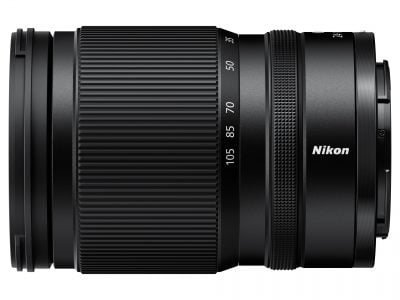
Nikon Z 24-105mm f4-7.1 review so far
27 Jan 2026 ThomasThe Nikon Z 24-105mm f4-7.1 is an affordable, small, and light zoom. Find out how it compares to other Nikkor zooms in my review so far.
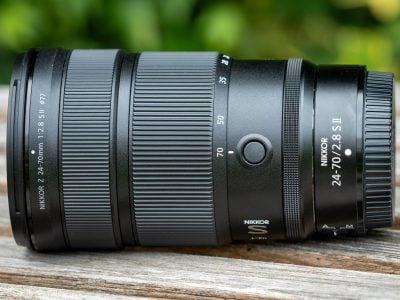
Nikon Z 24-70mm f2.8 S II review
10 Nov 2025 ThomasNikon has totally reworked their pro Z 24-70mm f2.8 S with improved features for photographers and videographers. How does it compare to its predecessor and Tamron? Find out in my review.
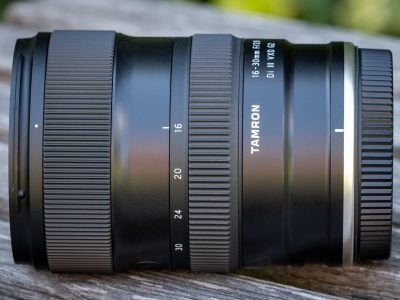
Tamron 16-30mm f2.8 Di III G2 review
16 Oct 2025 ThomasThe Tamron 16-30mm f2.8 Di III G2 is the 2nd generation of an ultra-wide zoom for Sony and Nikon mirrorless full-frame cameras. Find out how it compares against its predecessor and rivals in my comprehensive review!
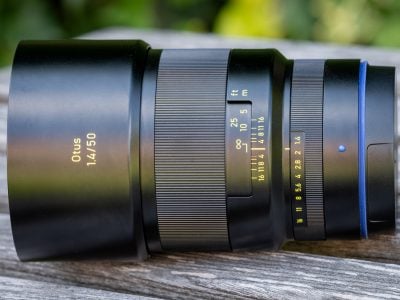
Zeiss Otus ML 50mm f1.4 review
12 Sep 2025 ThomasThe Zeiss Otus ML 50mm f1.4 is a wide-aperture, manual focus, standard prime lens designed for Sony, Canon, and Nikon mirrorless full-frame cameras. Find out how it stacks up against its legendary 2013 predecessor in my comprehensive review!
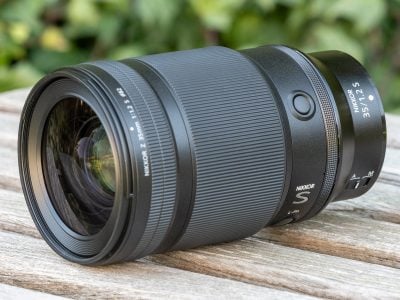
Nikon Z 35mm f1.2 S review
13 Mar 2025 ThomasThe Z 35mm f1.2 S completes Nikon's trio of f1.2 lenses and is also their third 35mm lens. How does it compare in features and optical performance? Find out in my full review.
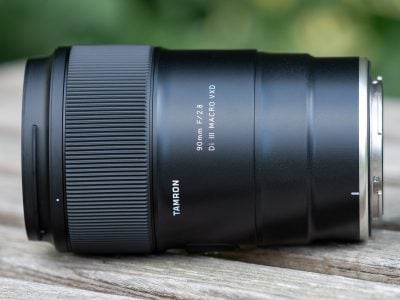
Tamron 90mm f2.8 Di III Macro review
21 Nov 2024 ThomasTamron's new 1:1 macro lens for Sony E-mount and Nikon Z-mount looks like an interesting alternativ to Nikon's and Sony's own macro lenses. Find out more about the features and qualities of the 90mm f2.8 Di III Macro in my full review!
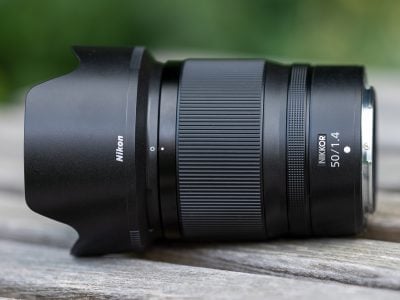
Nikon Z 50mm f1.4 review
03 Nov 2024 ThomasNikon's second f1.4 prime lens for Z-mount follows shortly after the introduction of their Z 35mm f1.4. Find out more about the features and qualities of the Z 50mm f1.4 in my review!
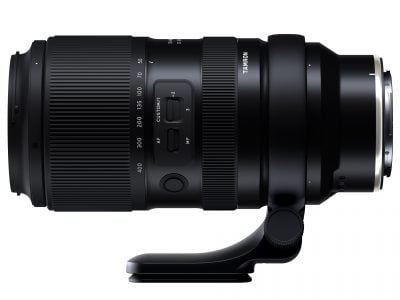
Tamron 50-400mm f4.5-6.3 Di III VC Nikon Z review so…
29 Aug 2024 ThomasTamron's 50-400mm f4.5-6.3 Di III VC for Z-mount fills a gap in Nikon's line-up of zoom-lenses reaching 400mm focal length. How does it compare to Nikon's alternatives? Find out in my review so far.
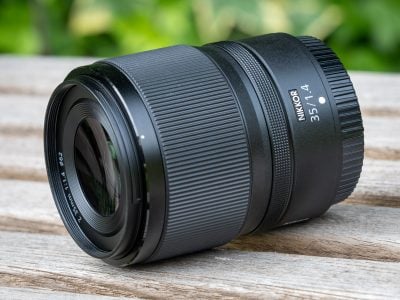
Nikon Z 35mm f1.4 review
20 Aug 2024 ThomasNikon's second 35mm prime lens surprises with a focal ratio of f1.4 and a low price. Find out more about the features and qualities of the Z 35mm f1.4 in my full review!
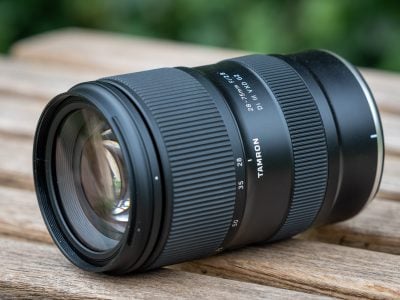
Tamron 28-75mm f2.8 Nikon Z review
30 Apr 2024 ThomasTamron's 28-75mm f2.8 Di III G2 is an attractively priced zoom now also available for Nikon's mirrorless cameras. Can it deliver the goods even when tested at 180MP resolution? Find out in my in-depth review.
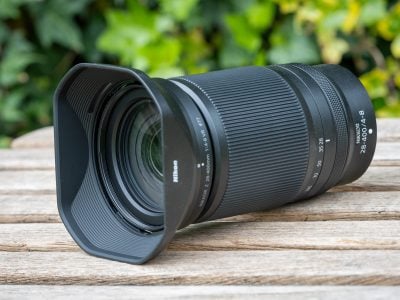
Nikon Z 28-400mm f4-8 VR review
28 Mar 2024 ThomasThe Nikon Z 28-400mm f4-8 VR boasts a huge 14.3x zoom range but weighs only 725g. Is it the perfect lens for those who want to travel light and not change lenses in the middle of things? Find out in my in-depth review.
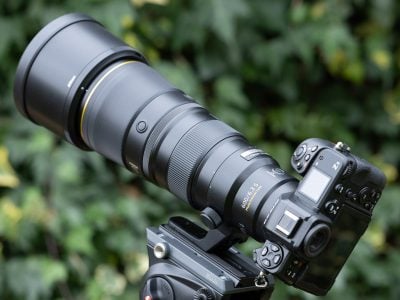
Nikon Z 600mm f6.3 VR S review
09 Jan 2024 ThomasThe Z 600mm f6.3 VR S is Nikon's third long telephoto designed for compact build and light weight. In my full review I compare size, weight, features, and performance with Nikon's other long telephoto lenses.
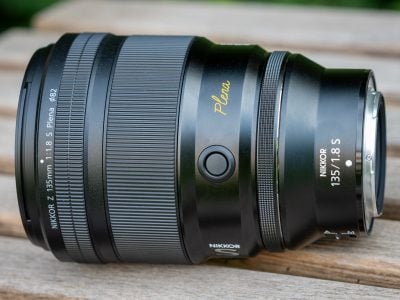
Nikon Z 135mm f1.8 S Plena review
18 Oct 2023 ThomasThe Nikon Z 135mm f1.8 S becomes only the second Z-series lens with a name: "Plena". Nikon emphasizes the "beautiful, well-rounded bokeh of outstanding sharpness and clarity". Can it beat the excellent Z 85mm f1.2 S? Find out in my full review!
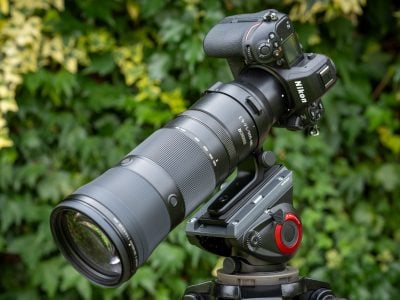
Nikon Z 180-600mm f5.6-6.3 VR review
11 Sep 2023 ThomasThe Z 180-600mm f5.6-6.3 VR is Nikon's longest zoom lens to date. With it's relatively low weight, optical image stabilization, and 3.3x zoom range it should be a versatile lens for wildlife, sports, or aircraft photography. Find out more in my review!
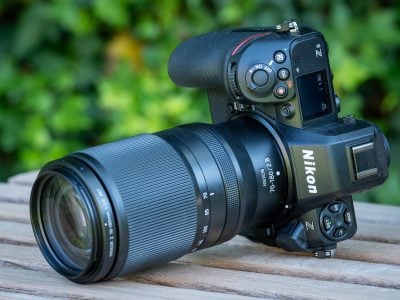
Nikon Z 70-180mm f2.8 review
24 Jul 2023 ThomasWith the Z 70-180mm f2.8 Nikon has completed another trinity of f2.8 zoom lenses which are relatively small, lightweight, and affordable. Find out how the new lens performs against Nikon's professional alternative in my full review!
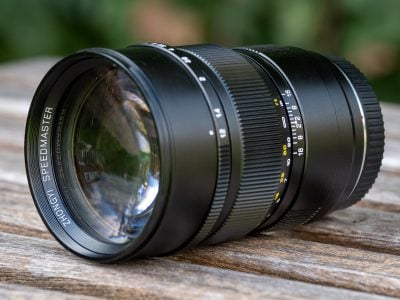
Zhongyi Mitakon Speedmaster 85mm f1.2 review
03 May 2023 ThomasThe Mitakon Speedmaster is a mild telephoto prime lens with a bright focal ratio of f1.2. It's manual focus only but also much cheaper than the alternatives from Nikon and Canon. How does Zhongyi's lens perform - especially regarding Bokeh? Find out in my full review.
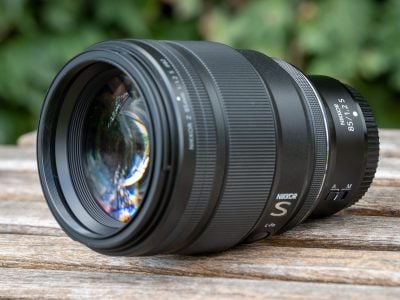
Nikon Z 85mm f1.2 S review
07 Apr 2023 ThomasThe Z 85mm f1.2 S is Nikon's second prime lens with a bright focal ratio of f1.2. Aimed at wedding, fashion, or portrait photographers does it deliver the goods - especially regarding Bokeh? Find out in my full review.
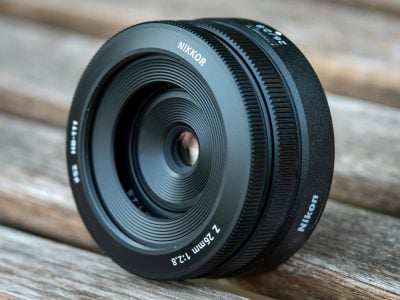
Nikon Z 26mm f2.8 review
16 Mar 2023 ThomasThe Z 26mm f2.8 is Nikon's smallest and lightest Z-Nikkor to date. How does it compare to their 24mm and 28mm prime lenses? Find out in my full review.